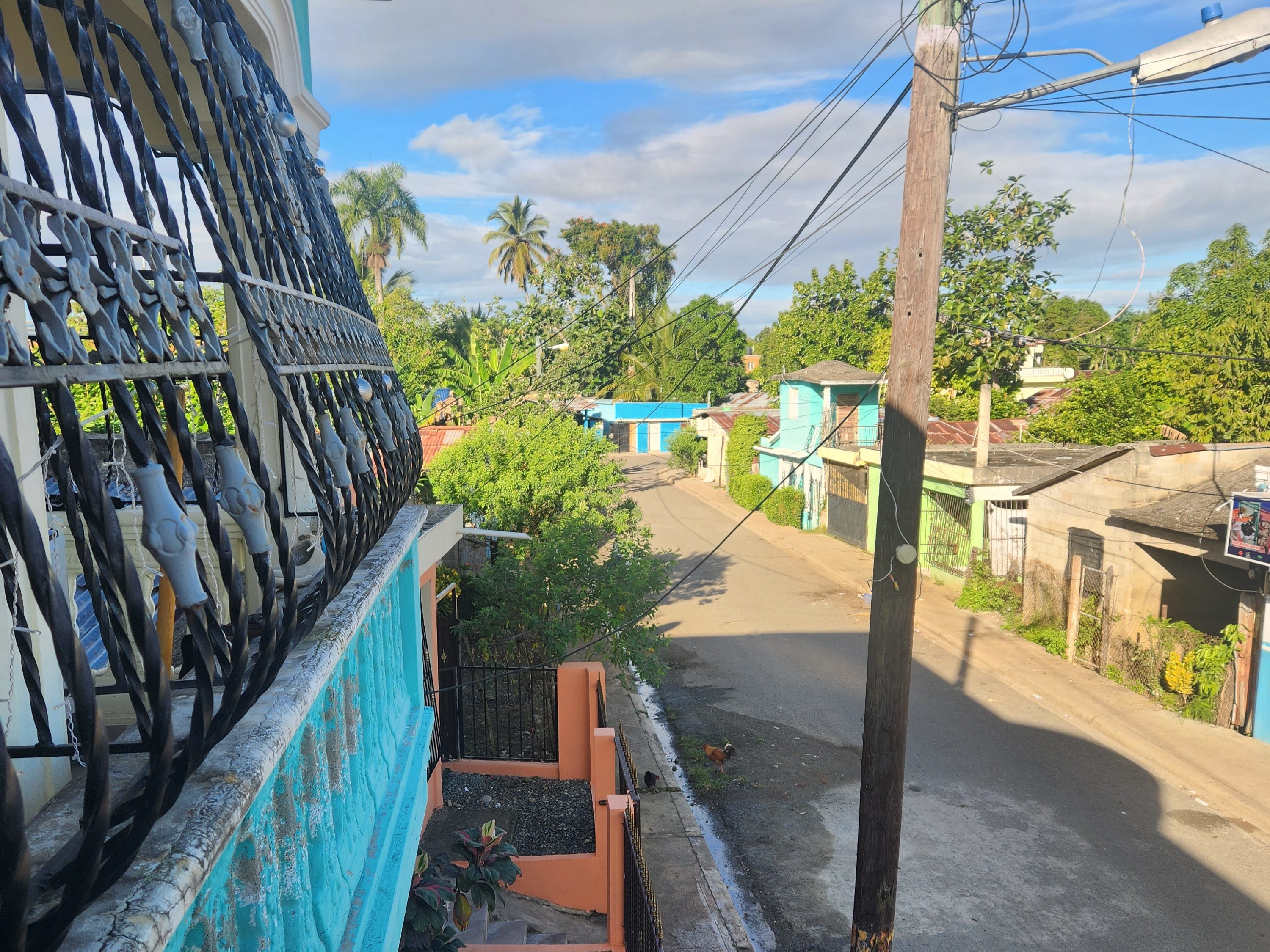
I moved to the Dominican Republic almost exactly two years ago. Unlike many foreigners who choose to settle in Santo Domingo, Santiago, or the beach towns, I’ve spent my entire time living in rural communities. My first year was in Hato Mayor, near the coast of Sabana de la Mar. My second year has been in Monte Plata, in the middle of the country.
I’ve worked here, lived with Dominican families, traveled throughout much of the country, and experienced everyday life far beyond the all-inclusive resorts. While everyone’s experience is different, I feel like I’ve gotten a unique perspective on what it’s really like to live here.
Like anywhere, there are things I’ve absolutely loved and things that have driven me crazy. Here are my biggest takeaways after two years.
The Worst Parts About Living in the Dominican Republic
1. Heat
I thought I understood what tropical heat would be like before moving here. I didn’t.
During the winter months, the weather is actually pleasant. But summer is another story. The area where I live now, in Monte Plata, is one of the hottest parts of the country. During the hottest months, the heat index can reach around 110°F. It’s not just the temperature—it’s the combination of intense sunshine and humidity that makes it feel unbearable.
Some days it’s like living inside an oven. You can’t think, you can’t sleep, you lose your appetite, and you’re constantly dripping in sweat. I’ve learned not to leave the house between 10:00 a.m. and 4:00 p.m. unless I absolutely have to.
The heat is made even worse by the lack of air conditioning. Outside of the larger cities, AC isn’t common. Most homes, schools, clinics, and small restaurants rely on fans instead. That works…until the electricity goes out.
Power outages are a regular part of life in many communities, and when the fan suddenly shuts off in the middle of a hot afternoon, it becomes miserable almost immediately.
Before moving here, I thought showering twice a day sounded excessive. Now I understand why so many Dominicans do it. I shower every time I come home from being outside. One trick I’ve learned is to shower and then sit directly in front of a fan without drying off. As the water evaporates, you get a few precious minutes of relief.
The heat isn’t just uncomfortable—it can also be difficult on your health. For women especially, the constant sweating and humidity can lead to irritation and discomfort. Changing clothes throughout the day becomes less of a luxury and more of a necessity.
2. Street Harassment and Machismo Culture
This was honestly the hardest part of living in the Dominican Republic. I had been warned about it during training, but I was still completely underprepared. Like many things, the more rural you go, the more different life can be from U.S. culture. In my experience, that also meant encountering more traditional gender roles and more overt machismo.
Men constantly catcalled women. There also seemed to be a very different understanding of personal space and consent. I don’t think a random man in the United States has ever touched me in a way that made me uncomfortable because personal space is an important aspect of our society. I mean, in the US it’s considered rude to use the treadmill or pick a seat next to someone if there are other ones available. In the Dominican Republic, that’s much less of a thing. Sometimes it was small things, like someone sitting extremely close to me on the bus or physically moving me aside instead of saying, “Excuse me,” or just generally talking down to me, or being served after men in establishments. Sometimes it was bigger things, like men showing up to my home uninvited, peeping through my windows, or making crude sexual comments about me to me or to others.
When I first arrived, I tried to be friendly. I greeted people as I passed with a simple “Buenos días.” Almost every interaction with a man would quickly turn into, “Do you have a boyfriend?” “I want to marry you,” or “Can I get your number?” Before long, I stopped greeting or responding to unknown men altogether when I was out. It was simply too draining. I didn’t own a car, so I walked everywhere. I’m not exaggerated when I say that around practically every man I passed would stare at me or try to flirt. It became difficult to do something as simple as walk to the store in peace.
What surprised me most was that many Dominican women seemed to accept these dynamics as a normal part of life. I often felt isolated in my frustration because behavior that I viewed as deeply problematic was frequently dismissed as “just the way things are.” I felt alone in fight to make things better and my belief that things didn’t have to be this way.
2. Mosquitoes (and Every Other Creature)
Mosquitoes were one of the biggest adjustments for me.
Another part that disturbed me was how normalized relationships between older men and teenage girls were. Compared to the United States, there seemed to be far less social stigma surrounding these age gaps. The Dominican Republic also has a significantly higher teen pregnancy rate than the U.S., and many of the underlying causes—such as poverty, limited educational opportunities, and gender inequality—are deeply interconnected.
When I first arrived, I felt like I was being eaten alive. My skin constantly itched, and everyone laughed, telling me, “Tú eres sangre nueva”—”You’re fresh blood.”
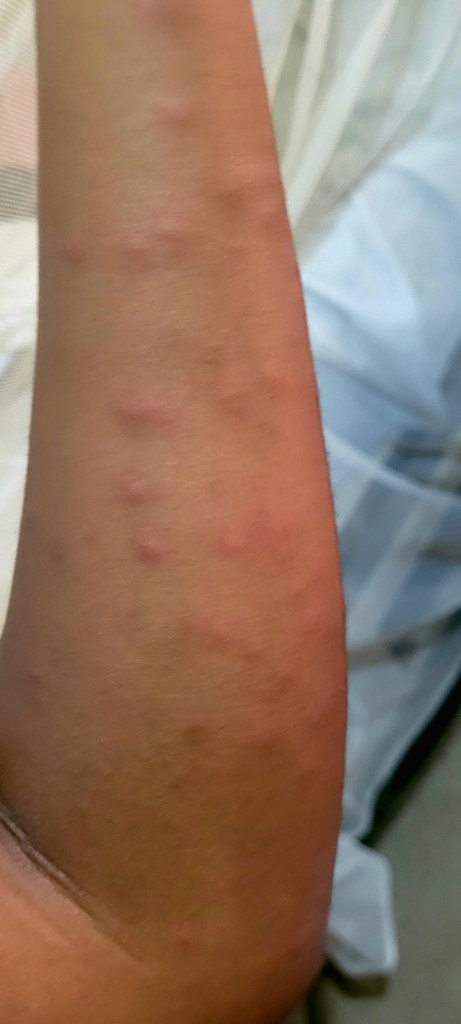
Eventually my body seemed to adjust, and now I don’t react nearly as badly, but they’re still everywhere. Mosquitoes are only part of the story, though.
My first house was in a very rural community with a tin roof that didn’t completely seal against the walls. That meant all kinds of wildlife could come inside.
Every night frogs would somehow find their way into my bathroom. I’d walk in and find one sitting in the sink, shower, or even the toilet. They terrified me. I’d spend several minutes trying to figure out how to get them out before giving up and waiting for them to leave on their own.
I also had birds fly into my house, giant spiders, plenty of lizards, and the occasional iguana wandering through the yard.
Thankfully, my current home is concrete with sealed ceilings, so unexpected visitors are much less common.
3. Customer Service
One thing that really surprised me was how basically nonexistent customer service can be.
People often describe Dominicans as some of the friendliest people in the world, and I think that’s true in a way (more on that below)—but not necessarily in the way tourists expect.
If you’re staying at a resort in Punta Cana, you’ll probably receive incredible service because you’re a foreigner and they’re working for tips. However, in many everyday businesses, especially in rural areas, people working client relations are usually much less polite.
Don’t expect the cashier or sales associate to greet you with a smile and a “Hi, how are you?” or “How can I help you today?” Instead, you’ll simply get a blank look until you tell them what you need.
I try not to interpret this as rude. It’s just a different communication style. Dominicans tend to be more straightforward and less focused on the formal customer-service culture that Americans are used to.
On a similar note, I had to learn to seriously lower my expectations from businesses. In the U.S., it’s common to expect refunds, exchanges, or some form of compensation when a business makes a mistake. In many of the places I’ve lived in the Dominican Republic, that hasn’t been my experience.
If you receive the wrong order, wait much longer than expected, or aren’t satisfied with a service, don’t expect an apology, a discount, or an easy refund. Returning items can also be difficult, especially if you’re shopping at small local businesses rather than larger chain stores. I’ve learned to double-check what I’m buying and always ask for a receipt whenever possible.
For example, if you have an appointment at a nail salon and end up waiting two hours, that’s often just accepted as part of the experience. It’s a different approach to customer service than I was used to, and it took some time to adjust my expectations.
4. Utilities Aren’t Reliable
Living in rural Dominican Republic means adjusting your expectations for what counts as a basic necessity.
Power outages happen regularly. Aside from Punta Cana and Santo Domingo, the electricity usually goes out every day to every other day, and ranges from a few minutes to hours at a time. Running water often isn’t available 24 hours a day. In many communities, water only comes once or twice a week, so households store it in large tanks for the rest of the week. Even flushing toilet paper isn’t allowed as the plumbing systems aren’t designed for it.
Related to the differences in infrastructure is that things often aren’t built to the same standards. I learned this firsthand from the infamous Jet Set tragedy, the gate at my school collapsing and breaking a student’s arm, and the 50-pound glass patio door in my house falling and whacking me in the head. There seem to be fewer laws, regulations, and enforcement surrounding building construction and also vehicle inspections. It’s not something you’ll notice every day, but it’s definitely something to be aware of and cautious about.
5. Limited Availability and Convenience
Access to groceries and everyday shopping can be surprisingly difficult, depending on where you live.
In the first town I lived in, there wasn’t a real grocery store. The nearest small supermarket required a 15-20 minute bus ride, while the closest large grocery store was nearly two hours away.
If I wanted specialty items like tofu, sour cream, or other international ingredients, I had to travel more than four hours to Santo Domingo.
Beyond groceries, there’s simply less availability of almost everything. If you’re used to ordering something on Amazon and having it arrive in two days, you’ll need to adjust your expectations. Many products that are easy to find in the United States are either unavailable or require a trip to a larger city.
Even finding local businesses can be a challenge. Many small shops aren’t listed on Google Maps, and if they are, it’s often just the business name with no hours, phone number, or website. Need a hair salon, tailor, or hardware store? More often than not, you’ll have to ask around and rely on word of mouth.
If you’re looking for American brands, specialty foods, or other unique items, be prepared to make a trip to a major city and spend some time searching.
The Best Parts of Living in the Dominican Republic
1. The People
I know this might sound contradictory after what I said about customer service, but the Dominican people are easily one of my favorite parts of living here.
Their culture is incredibly open and welcoming.
They don’t treat strangers like strangers—they treat them like friends they simply haven’t met yet.
If you’re lost, someone will usually stop to help. If you need directions, people often go out of their way to make sure you find where you’re going. Neighbors check in on each other, share food, and look out for one another in ways that I’ve rarely experienced elsewhere.
Especially as a foreigner, I’ve found that many Dominicans genuinely want visitors to leave with a good impression of their country.
2. The Natural Beauty
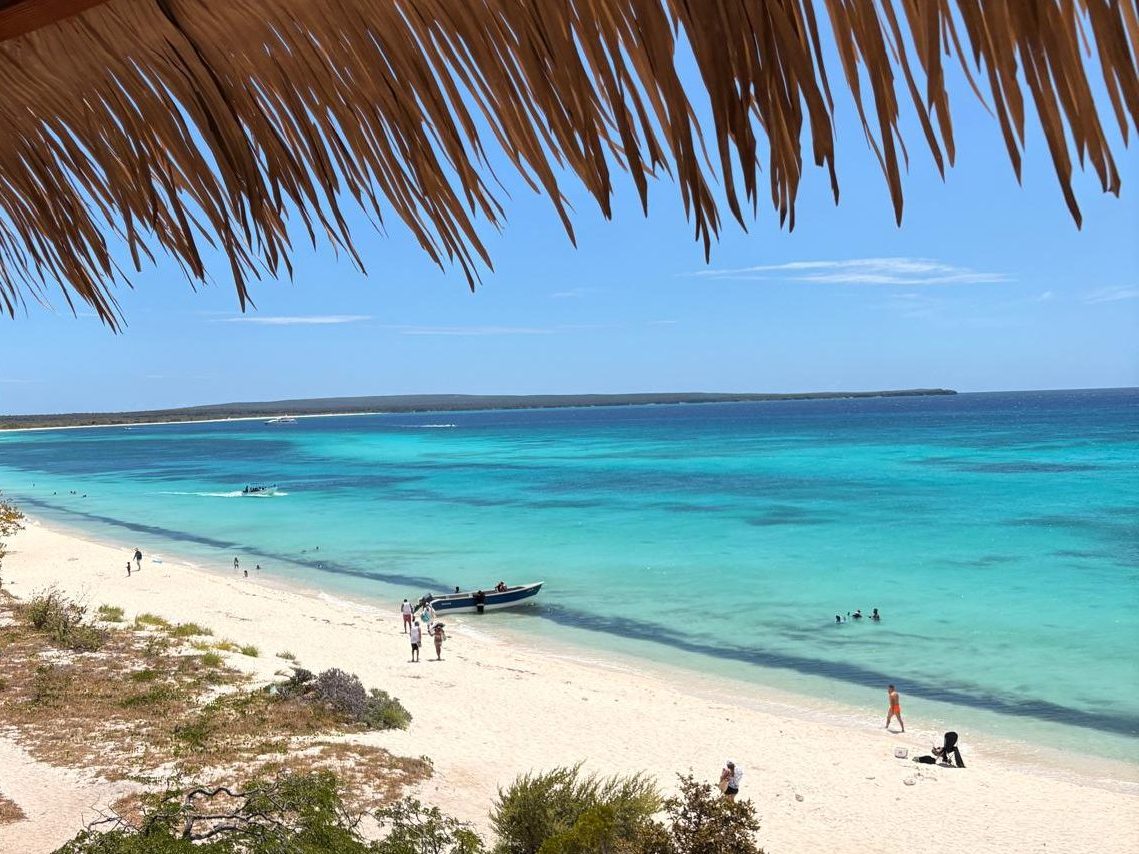
The Dominican Republic is absolutely stunning.
Most people only think about the beaches, but the country has so much more to offer. There are tropical rainforests, mountains, waterfalls, rivers, and some of the most beautiful coastlines I’ve ever seen.
Samaná remains my favorite part of the country. There’s something magical about seeing lush green mountains rising directly from the turquoise ocean.
If you’re looking to plan a trip to the most beautiful region of the Dominican Republic— I highly recommend checking out the Samanà Peninsula. I break down here the pros and cons of the two most known cities of Samana, Las Terrenas and Las Galeras. While both offer stunning beaches and lush tropical scenery, they have completely different vibes. I compare nightlife and beaches and adventure, so you can decide which one is the better fit for your trip.
No matter how long I live here, I don’t think I’ll ever get tired of those views.
3. The Cost of Living
If you’re earning U.S. dollars or another foreign income, the Dominican Republic can be incredibly affordable.
In my town, I can buy an empanada for under $1, a fresh fruit smoothie for about $2, a burger for around $4, and a hearty cafeteria-style lunch for roughly $5.
Public transportation is also inexpensive. A round-trip ride on the Santo Domingo Metro costs less than $1, shared taxis are affordable, and even long-distance buses are surprisingly cheap. A three-hour trip from Santo Domingo to Punta Cana can cost only around $5.
Housing has been one of the biggest surprises. I currently pay about $200 per month for a two-bedroom house.
4. The Slower Pace of Life
One thing I’ve grown to appreciate is how much slower life feels here.
People spend time talking with neighbors, visiting family, and simply enjoying where they are.
Coming from the United States, where everything often feels rushed, it’s been refreshing to experience a culture that isn’t constantly in a hurry. Of course, that slower pace can be frustrating when you’re waiting on paperwork, repairs, or appointments.
But overall, I think it’s helped me become more patient and appreciate the present moment a little more.
5. It’s Safer
The Dominican Republic has always felt significantly safer than the United States to me. I found myself doing things there that I would never consider back home. I would hitchhike with strangers, ask random people if I could use their bathroom while out on runs, and generally place a much higher level of trust in the people around me.
One of the biggest differences I noticed was that the Dominican Republic doesn’t have the same mental illnesses that are frequent in the United States. Here, I never had to worry about random acts of extreme violence. Mass shootings and serial killers simply aren’t fears that cross my mind the way they do in the United States. While the Dominican Republic certainly has crime, it’s much more predictable. I think that Americans put on a calmer, more stable front while Dominicans are “wilder” because they hide their feelings less. Here, I was never afraid that someone would randomly try to hurt me.
6. Fun & Unpredictable
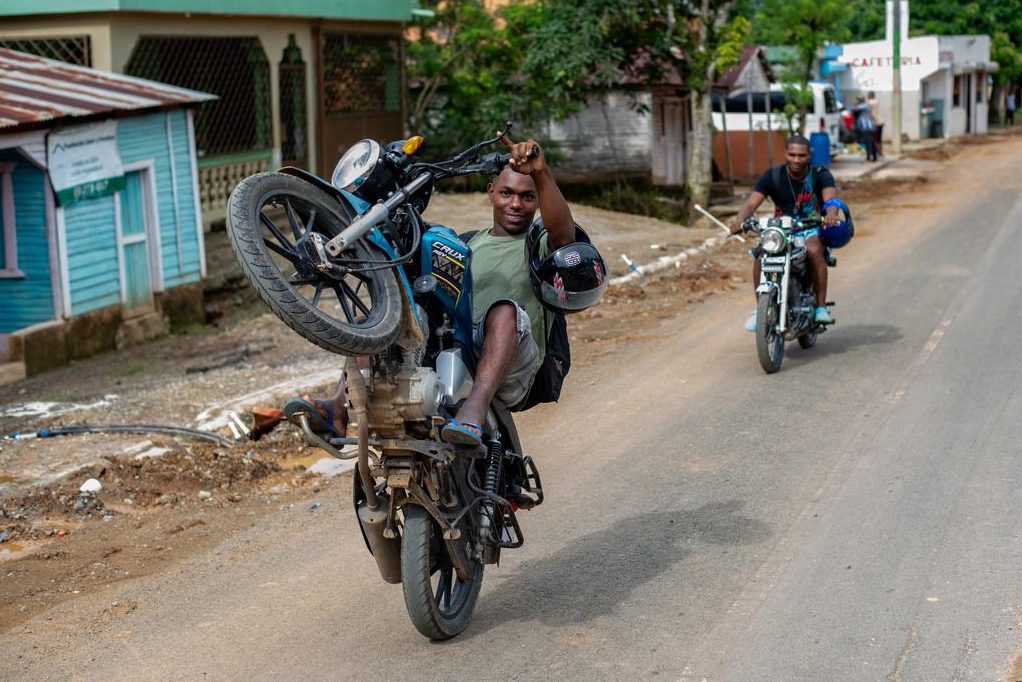
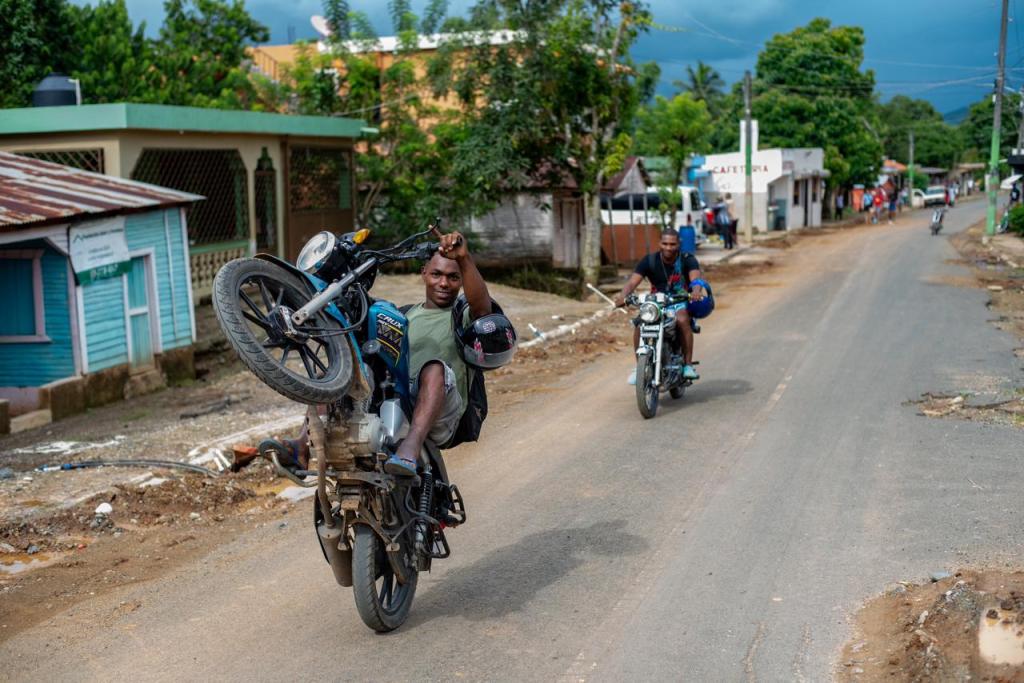
The Dominican Republic is a fun country! There are so many moments when I stop, smile, and think, “I can’t believe I live here.” Life here is unpredictable, but often in the best way. Some of my favorite memories have come from completely random adventures—getting invited somewhere by people I just met, catching a ride with someone, visiting their home, or ending up at a party I never planned on attending. Dominicans can make the most out of nothing, and always know how to have a good time!
In many ways, life feels more relaxed and less fearful than what I was used to in the United States. People are more connected to their communities, and there is often a greater sense of looking out for one another.
The farther into rural areas you go, the fewer formal rules and systems there seem to be. That can be frustrating at times, but it also creates a different kind of freedom. Instead of being guided by strict rules and schedules, life is often shaped by relationships, trust, and the social norms of the community.
Final Thoughts
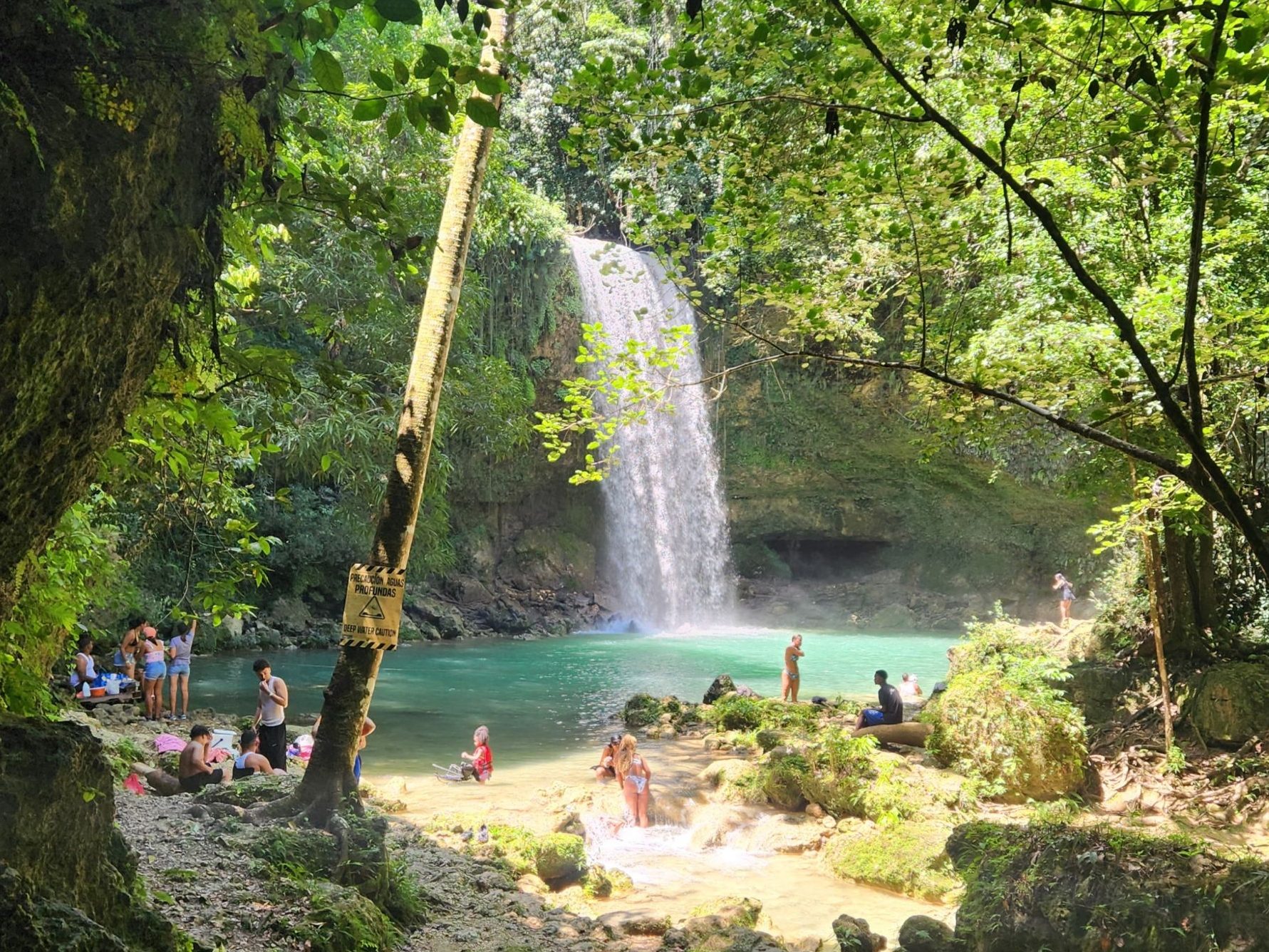
Living in the Dominican Republic isn’t always easy.
The heat can be exhausting. The mosquitoes seem relentless. Power outages can be frustrating, and daily conveniences I once took for granted aren’t always available.
But at the same time, I’ve experienced incredible kindness, breathtaking landscapes, a slower pace of life, and a culture that has taught me to adapt in ways I never expected.
After two years, I can honestly say that living here has challenged me, surprised me, and changed me. It isn’t paradise, and it isn’t perfect—but it’s been one of the most rewarding and transformative experiences of my life.
That being said, after finishing my Peace Corps service, I personally, wouldn’t ever live in the Dominican Republic. If I had to, I’d pick Santo Domingo, as it significantly more developed, there are more things to do, and the culture is more what I’m used to.
If you’re considering moving to the Dominican Republic, I suggest you do a lot of research and thoroughly think it through. But if you are set on coming, my biggest piece of advice is to come with an open mind. Embrace the differences and you’ll discover why so many people fall in love with this beautiful country.



Leave a Reply