
It feels as if, for most of my life, I’ve either altered my hair or worn someone else’s. It was normal to me at the time; I was surrounded by others who did the same, but deep down, I lacked a connection to my roots. My parents never taught me how to care for my hair because they were not taught themselves. We were trapped in a cycle of misunderstanding, neglect, and internalized self-contempt. I don’t particularly remember having straight hair as a child, but I remember my mom would put the relaxer on and rinse it out in the sink.
Fortunately, the natural hair movement blossomed during the early 2010s, and it inspired many to reclaim the beauty of their natural hair. My aunt was one of those inspired women, and she took it upon herself to specially care for my hair and teach me how to as well. She told me to stop using relaxers and taught me about minimizing heat, deep conditioning, and preventing breakage. Throughout middle and high school, I wore my hair naturally, took great care of it, and watched it flourish.
The Research on Relaxers
- It’s estimated that 89-95% of African American women have used a chemical relaxer at some point in their lives, often beginning in childhood.
- Hair relaxers contain asthma-associated chemicals and endocrine-disrupting chemicals that can be hormonally active and carcinogenic.
- Several large studies have supported associations between hair relaxer use and breast, uterine, and ovarian cancers. Studies also show that the chemicals also impact puberty and fertility, supported by an increased risk for earlier menarche and reduced fecundability.
Isn’t it mind-blowing that those harmful chemicals are allowed to be in our hair products? Although many people don’t realize the detrimental effects of relaxers, for others having straight hair is worth the health risks.
My aunt passed away from cancer in 2021, and somewhere around that time, I must have lost interest in embracing my natural hair. Maybe it had something to do with me attending a PWI (primarily white institution) or maybe I was just a busy college student. Instead of being intentional about how I cared for my hair, I started just wearing it however was easiest. She had taught me that protective styles— like twists and braids— could help keep my hair healthy, and so I did that. I would leave “protective” styles in for months without having to even touch my real hair underneath. I could just get up and leave in the mornings, and I loved it. After I cut my hair short freshman year in college, I started wearing my hair almost exclusively in those protective styles. I even learned how to do them at home to save money from going to the salon. However, looking back, those styles may have done more harm than good. Besides the fact that I wasn’t washing or moisturizing my hair with those styles in, I was also adding extensions or synthetic braiding hair to make my hair longer. At the time, I didn’t know any better. Only recently, have we begun to uncover the health risks that come with using synthetic hair.
“We tested 10 popular brands of braiding hair and found hazardous chemicals in all of them, including carcinogens and heavy metals.” — Consumer Reports
- Synthetic hair is not regulated by the FDA.
- 9 out of 10 products contain unsafe levels of lead, which can cause kidney damage, cardiovascular problems, reproductive damage, and brain damage.
Our reliance on relaxers and added hair is not our fault. Black women have been socialized and conditioned to believe that our hair is unprofessional, undesirable, and unmanageable. These ideas have been ingrained in us since we were brought to the US on ships, when our identities and self-worth were stripped away from us. The narrative surrounding our hair has been filled with negativity and reinforced by societal beauty standards that do not incorporate us. We’ve experienced microaggressions and outright discrimination because of our hair, facing judgment from peers, employers, and even within our communities. We’ve been told we have “bad” hair that is too frizzy, nappy, and kinky. But those harmful beliefs are simply not true. They are the product of a distorted societal lens that intentionally dismissed the beauty of our natural textures —particularly, to maintain the hierarchy that positioned Black people as subordinate to white people.
That said, since the rise of the natural hair movement, I’ve noticed a shift in ideology. It seems as if the world has evolved and started to appreciate the beauty of kinky, curly hair, while we, as Black women, still struggle to see it in ourselves. It seems that we are still internalizing those harmful messages and are unable to see our hair objectively. This ongoing battle with ourselves impacts our mental health and leads to feelings of inadequacy and anxiety. Experiencing ‘hair depression’—when your hair is not “done” —is a real and deeply felt phenomenon. It affects our self-esteem and makes us only feel presentable when our hair is conforming to white beauty standards.
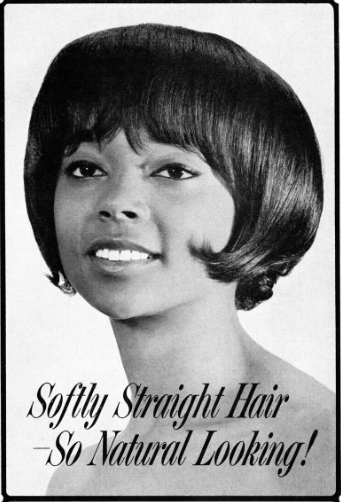
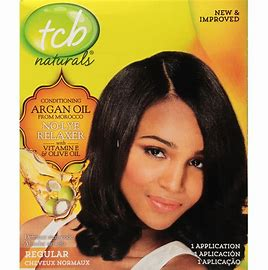
If I had to guess why it’s so hard for many of us to embrace wearing our hair in its natural state, I’d say it’s because we were never taught how to care for our hair, we think it takes too much work, and honestly, we just don’t like how it looks.
To the first point—I’d say: start learning. Watch natural hair videos on YouTube, ask questions to those who wear their hair curly, and don’t be afraid to try out different hair routines, products, and styles to find which ones work for you.
To the second—yes, it can be a lot of work. It can take hours to wash, detangle, and style our hair. But most things in life that matter require time and effort. It takes effort to take care of our bodies through healthy eating and exercise. It takes effort to show up for the people we love. A lot of worthwhile things can be hard, and our hair is no exception. It’s like a plant—it needs patience, nourishment, and time to thrive. Your hair is a part of you and deserves that same care as the rest of your body and soul.
And to the third—I get it. Not liking the way your natural hair looks sometimes is so real. You may spend hours attempting a style just for it to flop. That self-criticizing voice in your head can be so loud. But the truth is, you’re the only one who hears it. To others, you’re just beautifully yourself. Change is uncomfortable at first, but I truly believe that the more you intentionally care for and love your hair, the more you’ll come to see how perfect it is.
It’s the hair that grows from your scalp—it was literally made for you.
I haven’t always loved my natural type 4 curls. I’ve wished they were longer, looser, more defined. Over the years, I’ve relaxed them, texturized them, shaved them, bleached them, worn wigs and braids—you name it, I’ve tried it. I used to think I just liked to experiment with my hair, but now I see it was something deeper.
But recently, something inside me has shifted.
This past New Year’s, I decided to get my hair flat ironed. I hadn’t in years and wanted to do something special. Maybe it was the intense heat (which was definitely too high), or maybe they used a straightening chemical (which I highly suspect they did), but afterward, my curls were gone. All that was left were limp waves.
You’d think I would’ve loved it. After all, my hair now appeared both longer and looser. But I didn’t love it. I hated it. Still, I held onto the dead ends because, well—length is length, and I honestly wasn’t ready to go super short again. Sonetimes I wore it out, and other times in braids, just like I always had.
But this last time when I took out my braids, something was different. I looked at my hair in the mirror and noticed, maybe for the first time, how beautiful it was. The braids had given me faux curls, and I realized I actually wanted to have curly hair again!
I stood there in awe, understanding in that moment that I never want to use relaxers or synthetic braiding hair again. They’re not worth the health risks, and I refuse to conform to societal (or internal) pressure to wear my hair a certain way. I instead choose to fully embrace who I am.
So, I chopped my hair off (again) to restart my natural hair journey.
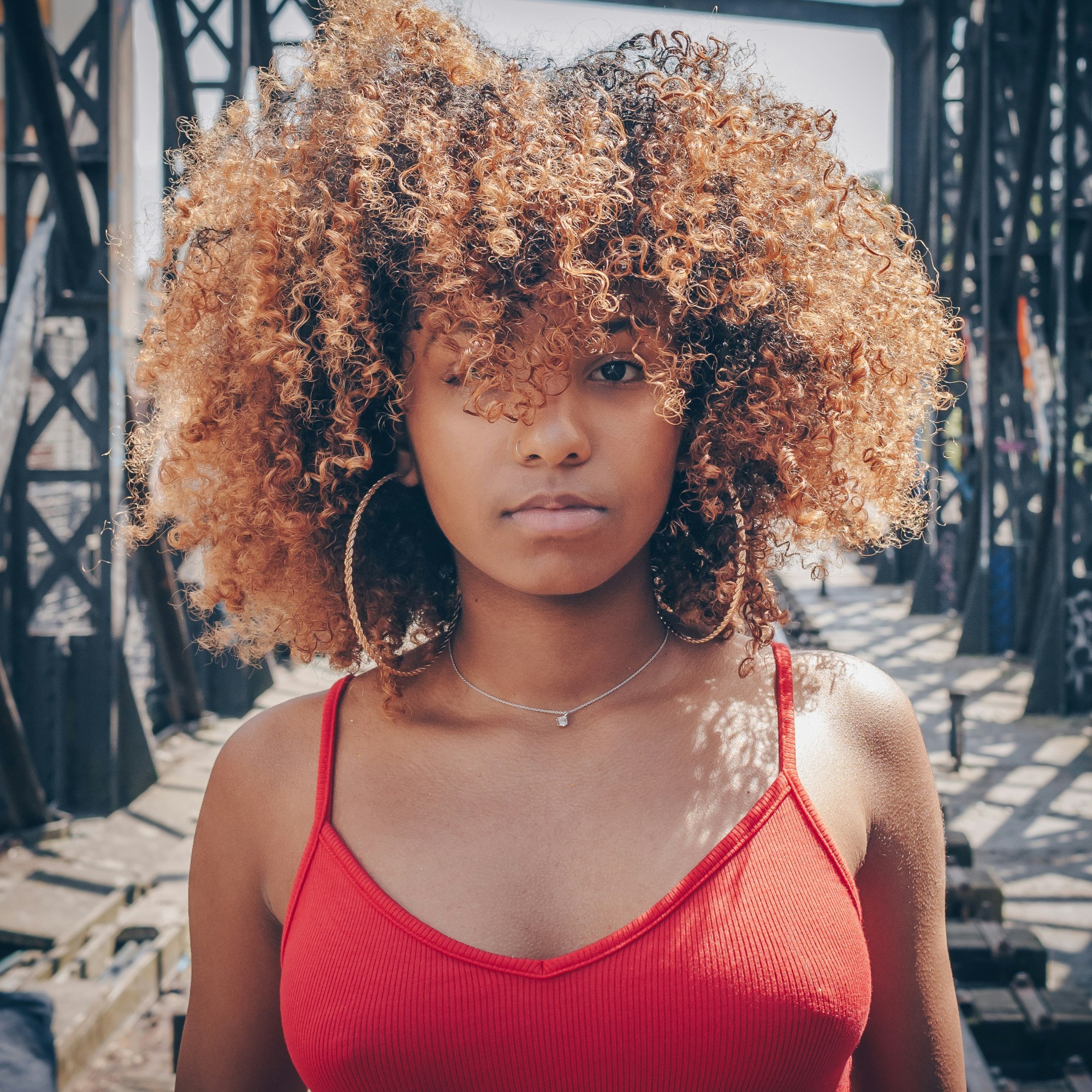
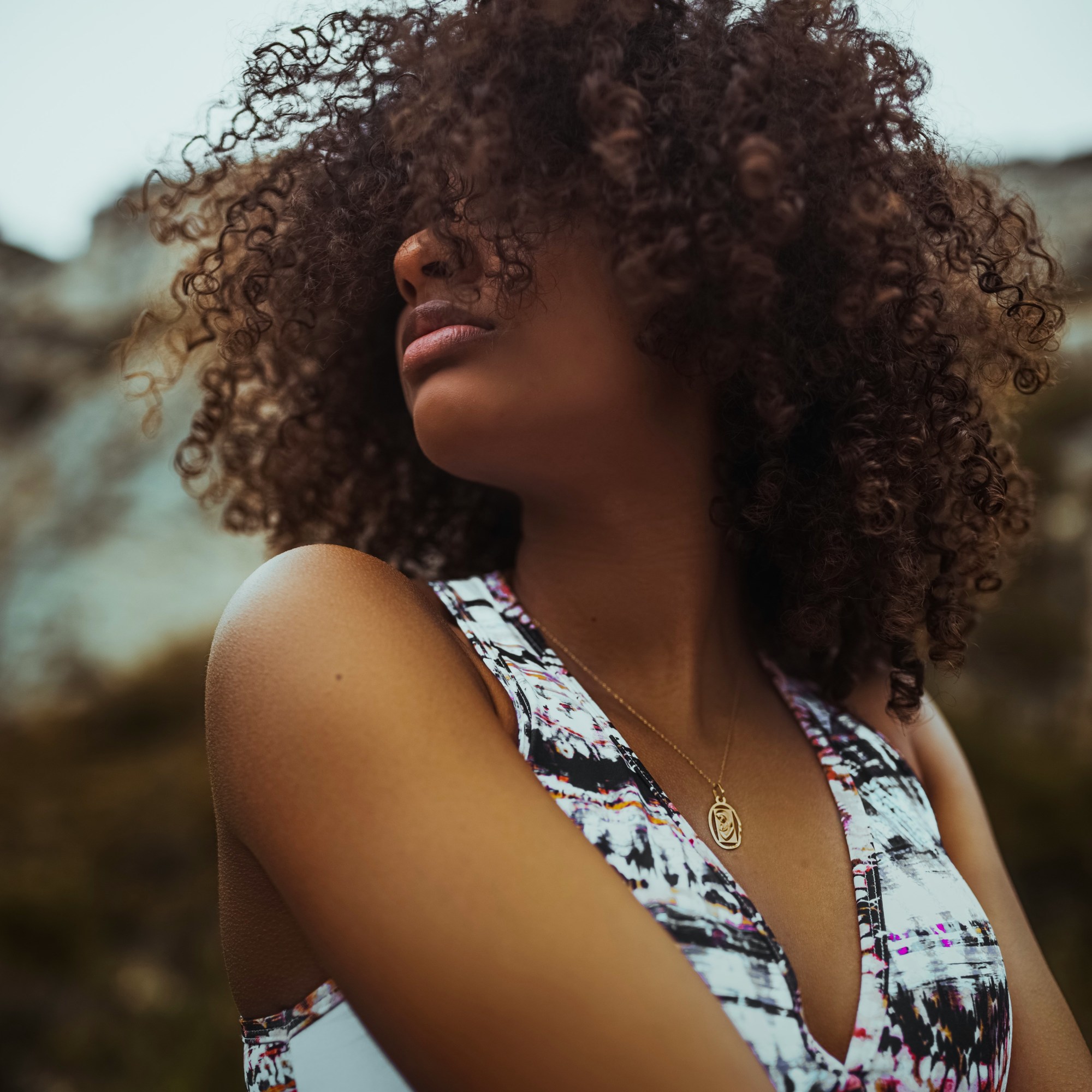
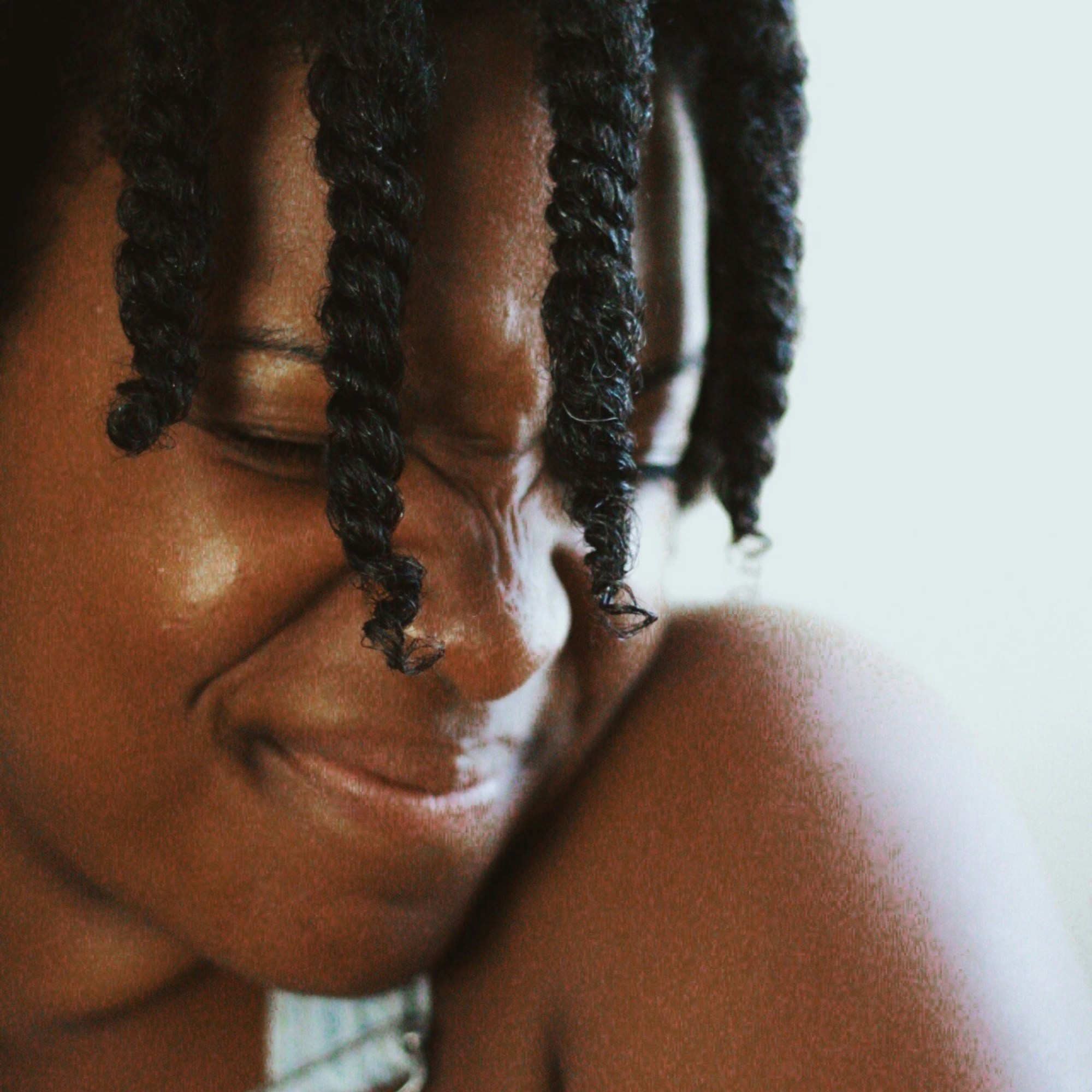
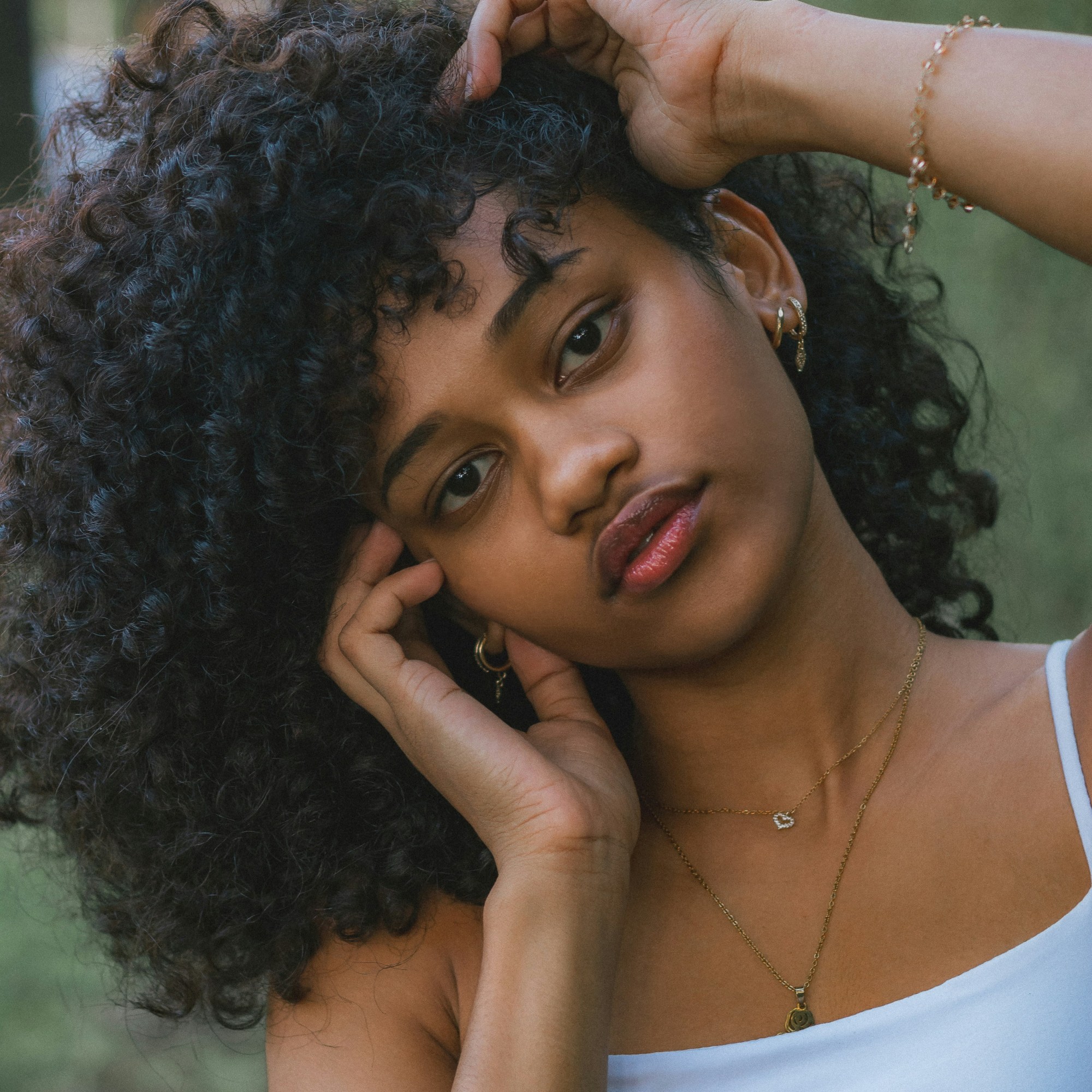
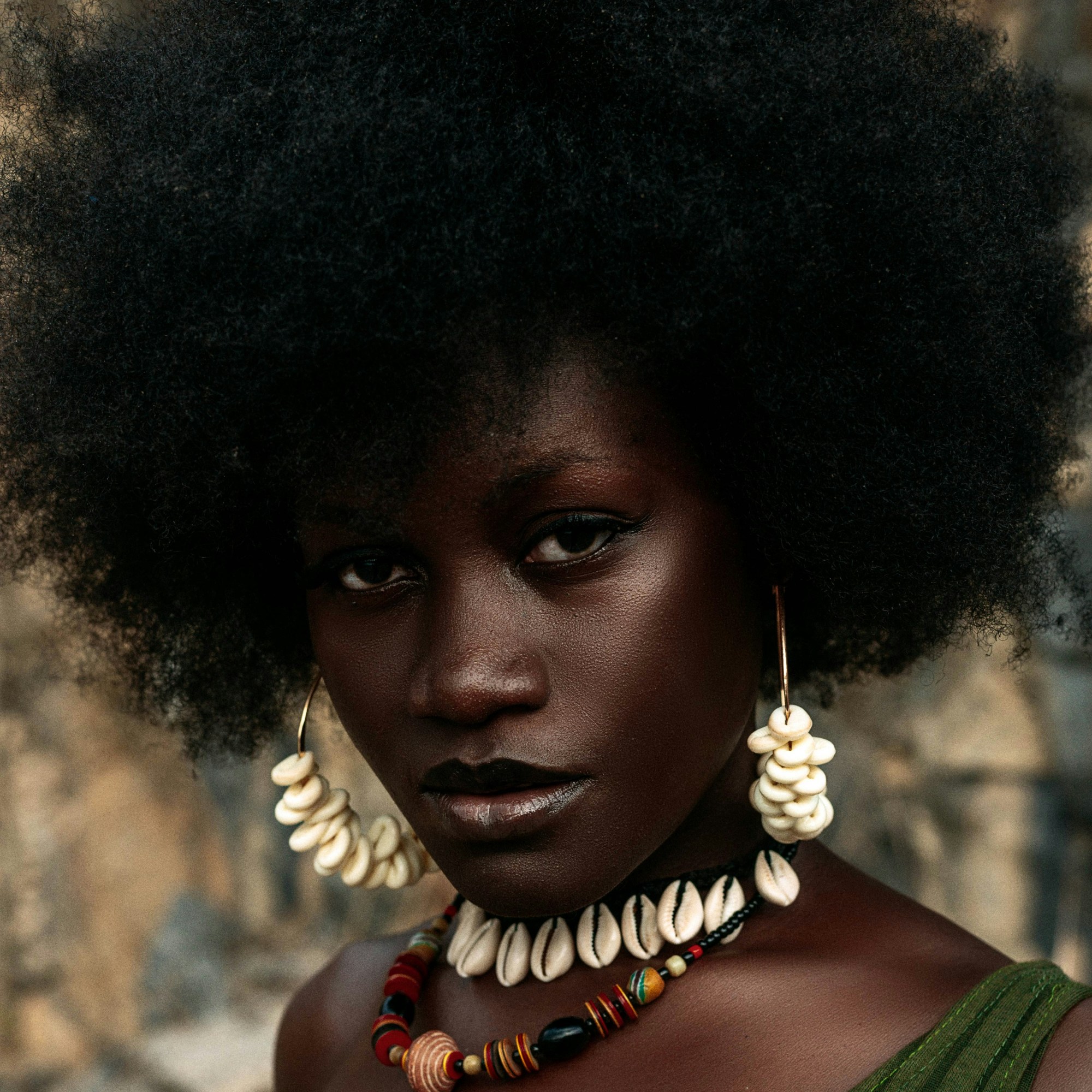
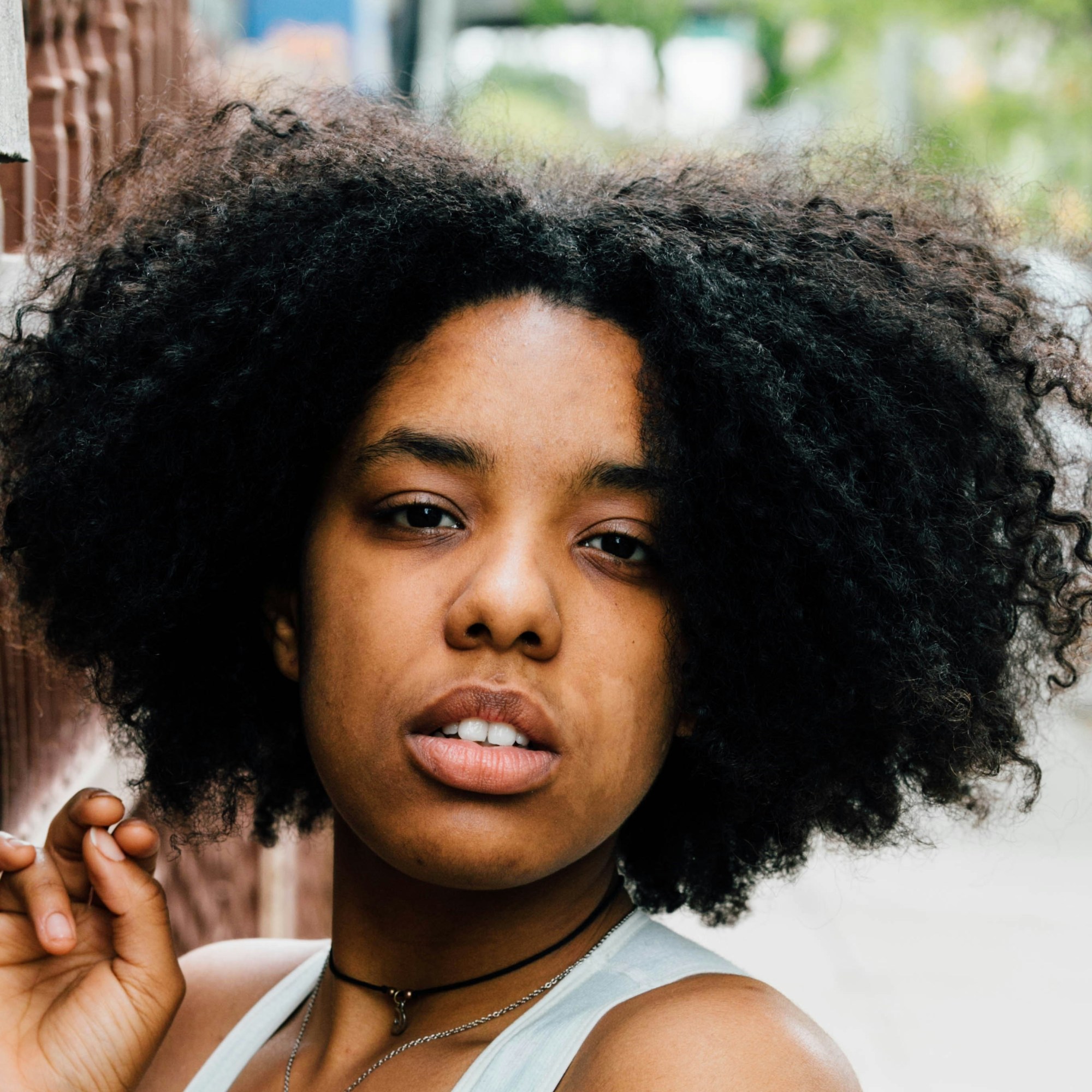
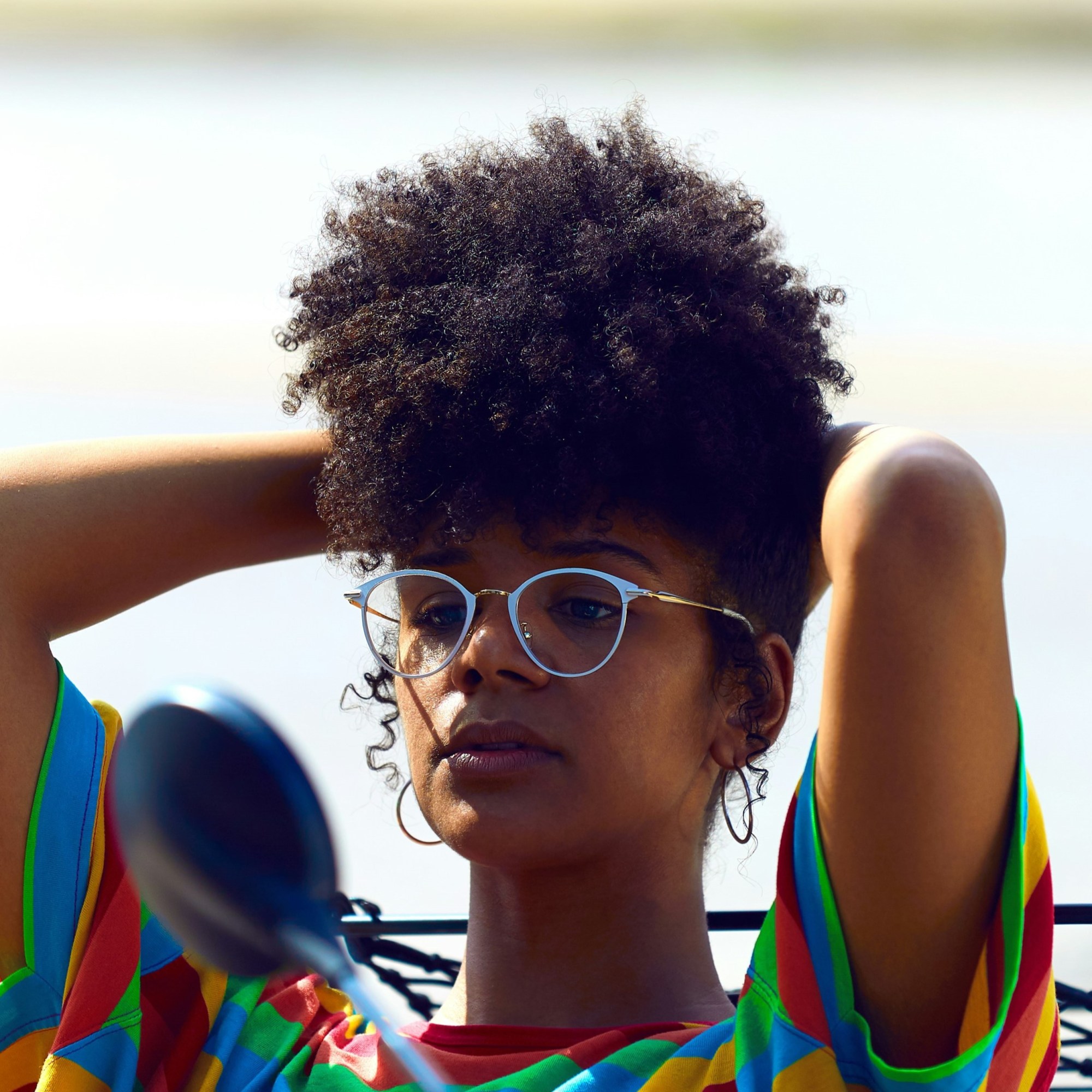
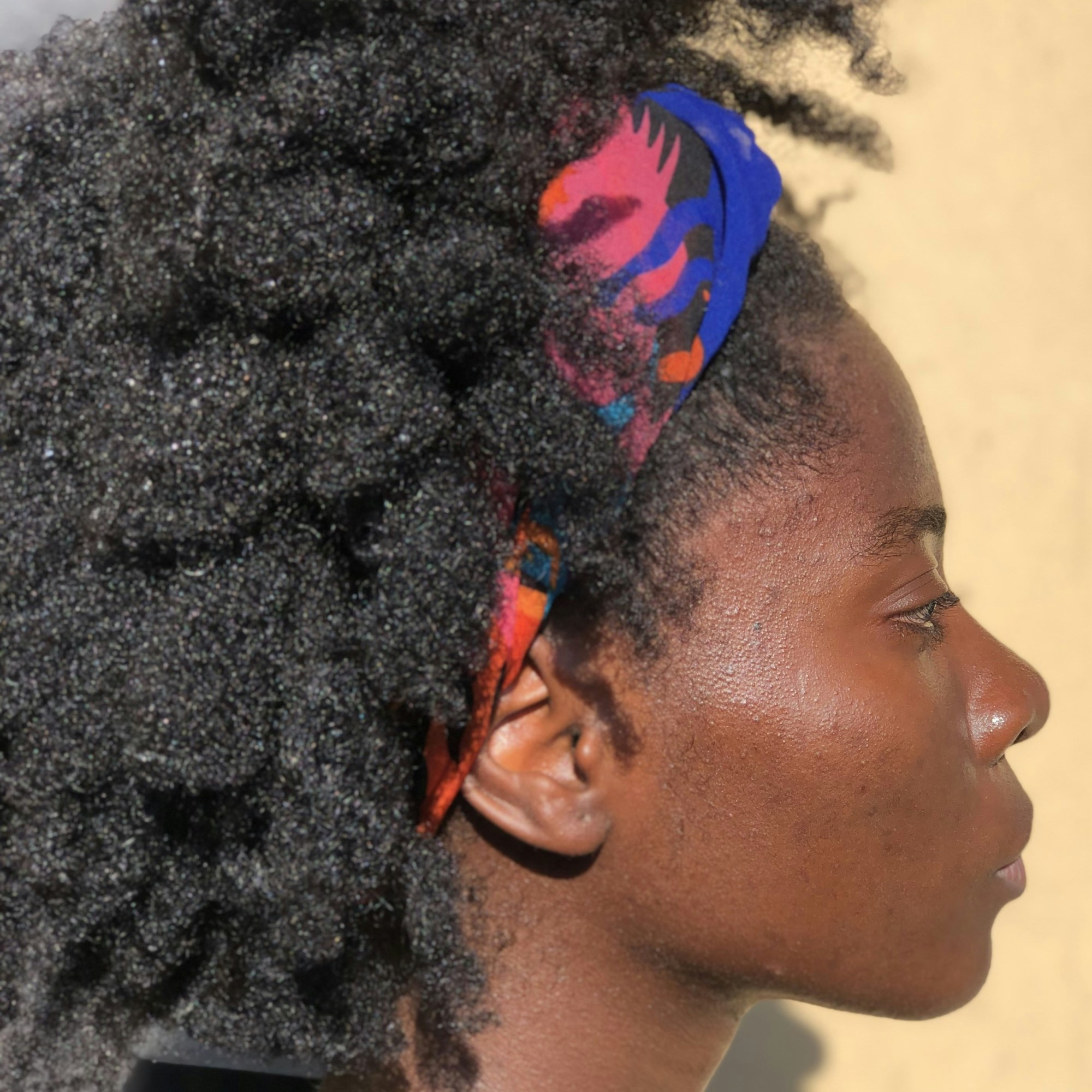
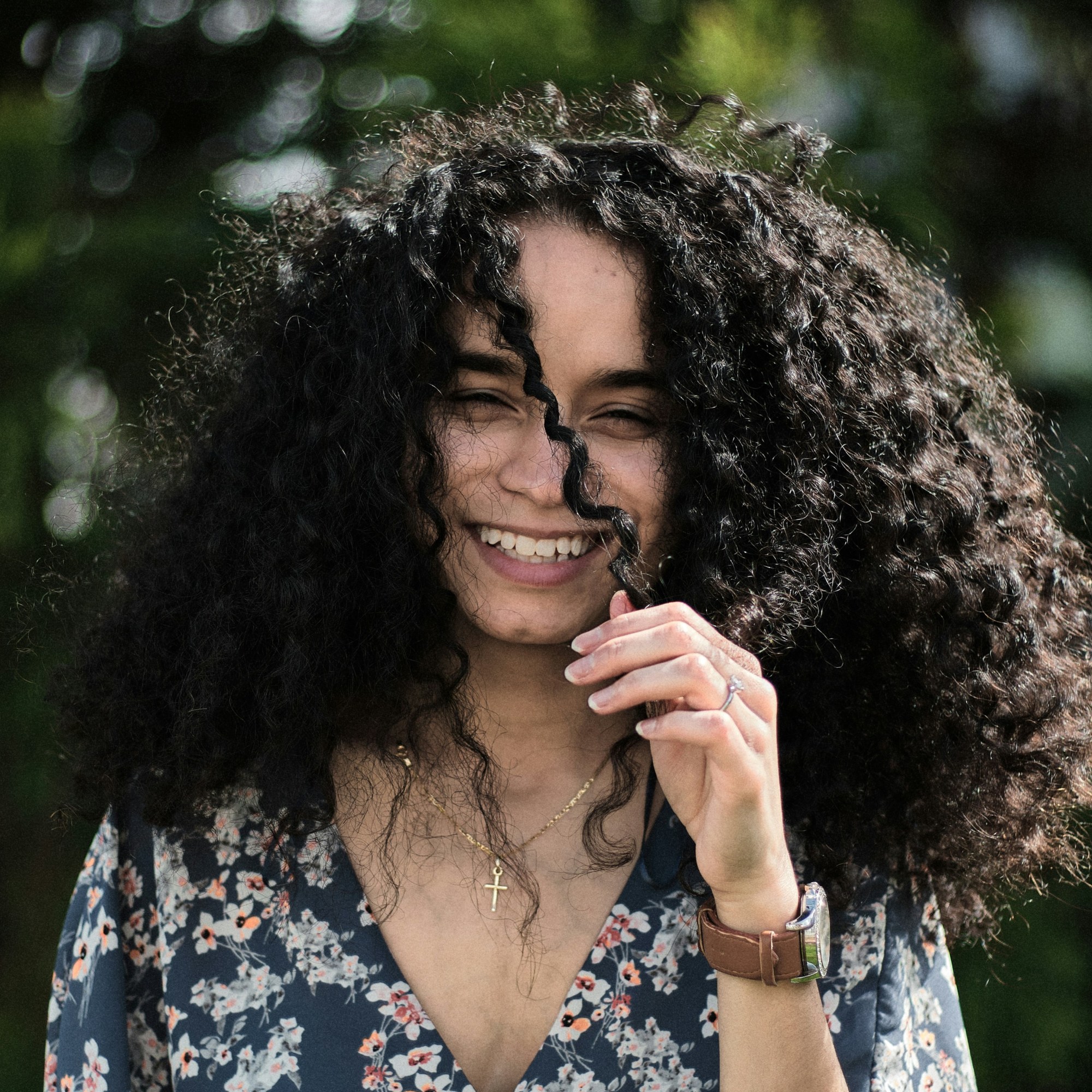
I truly believe that Mother Nature—or God—made us exactly how we’re meant to be. It’s not just the fact that curly hair is beautiful. There’s a peace that comes with embracing your natural state, and with it, comfort and confidence in being yourself. Now, I’m on a journey of loving, appreciating, and nourishing my hair once again. I’ve made a pledge to wear only my natural hair— no relaxers, no flat irons, no added hair. Just me, and what Mother gave me.
I’d love to hear your thoughts on the topic in the comments. And if you’re willing, join me in making a pledge to embrace our natural hair. Let’s support each other on this journey!
Dedicated to my dear Auntie Nessa.






Leave a Reply