

Thinking about visiting the Dominican Republic but not sure when to go? Whether you’re a tourist, backpacker, expat, or Peace Corps Volunteer, weather plays a huge role in your experience here. The country really only has two seasons—wet (May–November) and dry (December–April)—but within those, the vibe shifts month to month.
I’ve been living in this beautiful country for over a year and have experienced it all—the sweltering Caribbean heat, refreshing breezes, sudden downpours, and even the occasional flood. This guide walks you through Dominican Republic weather month by month so you can choose the best time for your trip and plan fun, unique seasonal activities for your next adventure.
Need help packing? Don’t just toss a swimsuit and sunscreen in your bag—check out my Dominican Republic Packing Guide. My list covers the little things you’ll wish you’d packed to stay comfortable and prepared— especially if you’re exploring beyond the resort.
Overview of Dominican Republic Climate
The Dominican Republic has a tropical climate year-round, meaning it’s always warm to hot with high humidity. The weather ranges from 85 °F–95 °F (29–34 °C), although with humidity and sun the real feel can go into the 110’s °F in the summer.
- Dry Season (December–April): Hot, sunny, and relatively low rainfall. Popular with tourists.
- Wet/Hurricane Season (May–November): Afternoon showers and tropical storms are common, though it rarely rains all day. Hurricanes are possible but not guaranteed.
Regional differences:
- Coastlines (Punta Cana, Samaná, Puerto Plata): Hot and humid, with more rainfall on the north coast.
- Inland (Santiago, Jarabacoa, Constanza): Slightly cooler, especially at night in the mountains.
- Santo Domingo: Humid and sticky, with unpredictable downpours.
In short: expect heat, prepare for rain, and embrace the Caribbean pace of life.
Weather Dominican Republic January

- Temps: 85–90°F (29–32°C)
- Rain: Scattered showers, more on the north coast
- Humidity: High
Pros:
- Cooler evenings, great beach weather
- Popular with tourists escaping winter
Cons:
- Higher prices in resorts
- Busy season in Punta Cana
What’s in Season:
Main Highlight: Whale-Watching in Samaná
Whale season in the Dominican Republic runs from mid-January to late March, when thousands of humpback whales migrate to Samaná Bay to mate and give birth.
Also in Season:
Hike Pico Duarte
Hike Pico Duarte, the highest peak in the Caribbean. The multi-day trek takes you through pine forests, cloud-shrouded valleys, and breathtaking mountain vistas, rewarding you with a sunrise view above the island’s clouds. It’s best to hike during the dry season when trails are less muddy, streams are easier to cross, and the weather is generally cooler and more comfortable for multi-day treks.Weather Dominican Republic February

- Temps: 85–90°F (29–32°C)
- Rain: Short afternoon storms possible
- Humidity: Still sticky
Pros:
- Carnival season = parades & parties
- Dry, sunny days
Cons:
- Peak tourism crowds
- Higher hotel costs
What’s in Season:
Main Highlight: Carnival
Every February, towns across the country burst into color with parades, music, and dancing to celebrate Dominican culture and independence. The biggest festivities are in La Vega, Santo Domingo, and Santiago, where costumed “diablos cojuelos” (devils) roam the streets, whipping the air and delighting crowds with vibrant masks and lively merengue beats.
Also in Season:
Independence Day Festivals
The Dominican Republic celebrates its independence from Haiti (February 27) with parades, flag-raising ceremonies, and patriotic events across the country. Schools, towns, and cities honor the nation’s history with music, speeches, and colorful displays of Dominican pride.Whale-watching
Whale season in the Dominican Republic runs from mid-January to late March, when thousands of humpback whales migrate to Samaná Bay to mate and give birth.Hike Pico Duarte
Hike Pico Duarte, the highest peak in the Caribbean. The multi-day trek takes you through pine forests, cloud-shrouded valleys, and breathtaking mountain vistas, rewarding you with a sunrise view above the island’s clouds. It’s best to hike during the dry season when trails are less muddy, streams are easier to cross, and the weather is generally cooler and more comfortable for multi-day treks.Weather Dominican Republic March
- Temps: 85–91°F (29–33°C)
- Rain: Light, dry season still in full swing
- Humidity: More tolerable
Pros:
- Warm but not unbearable
- Good time for outdoor excursions
Cons:
- Still tourist season = higher prices
What’s in Season:
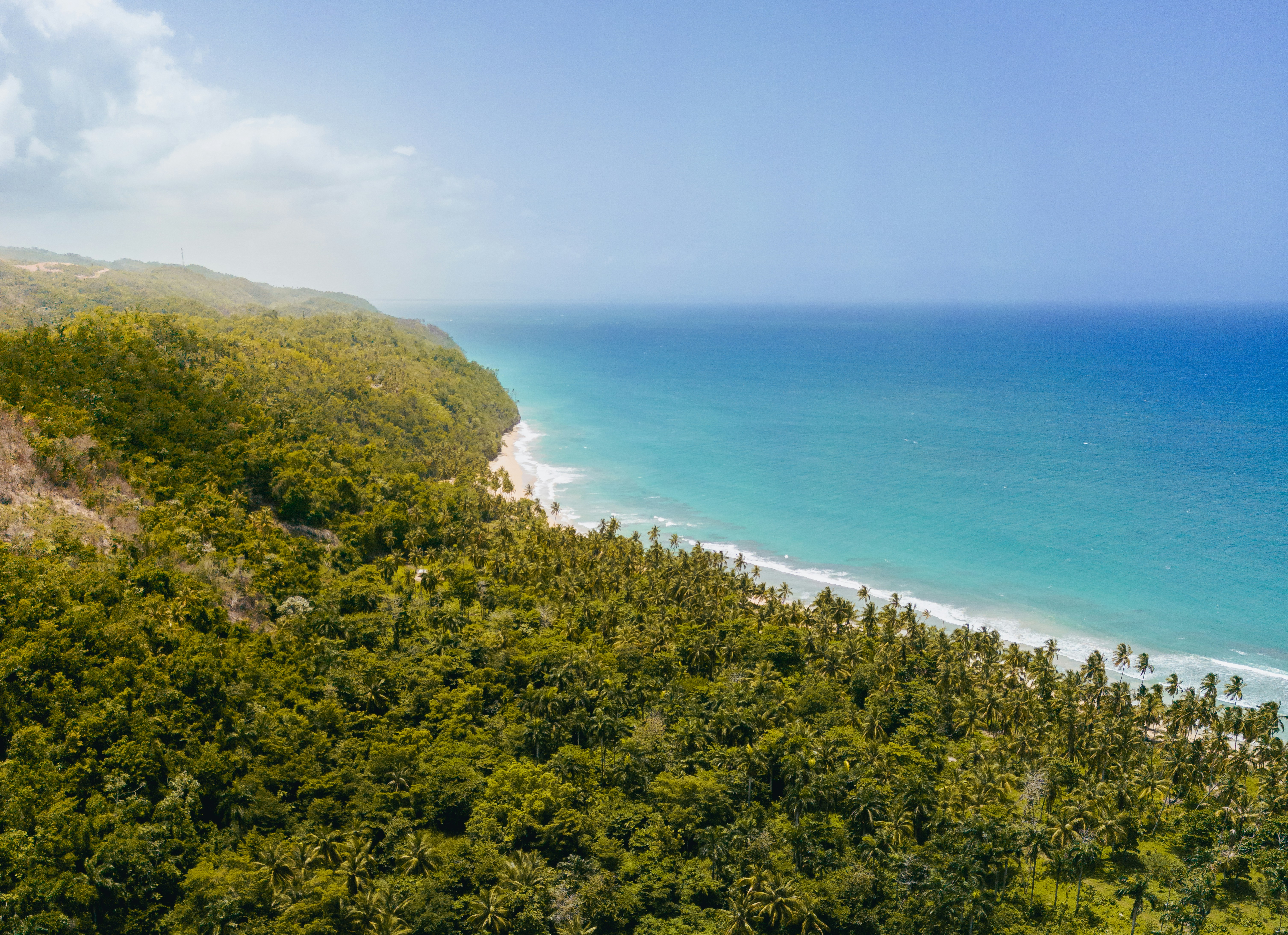
Main Highlight: Las Terrenas
Celebrate spring break in Las Terrenas, a laid-back beach town in the Samana Peninsula. known for its white-sand beaches, turquoise waters, and lively expat scene. It’s perfect for travelers looking to combine relaxation with adventure—think beachfront yoga, kite surfing, and exploring nearby waterfalls. The town also has a vibrant culinary scene, with seaside restaurants serving fresh seafood and international cuisine. Las Terrenas is ideal for those who want a mix of chill beach vibes and a touch of nightlife, all set against a stunning Caribbean backdrop.
Want to plan your trip to Las Terrenas in detail? Check out my guides:
- Las Galeras vs. Las Terrenas: Which Samaná Beach Town Is Right for You? – Compare the two neighboring towns and decide which fits your vibe.
- Explore Las Terrenas: A Hidden Gem in the Dominican Republic – Discover the best beaches, activities, and local spots in this charming town.
Also in Season:
Hike Pico Duarte
Hike the highest peak in the Caribbean. The multi-day trek takes you through pine forests, cloud-shrouded valleys, and breathtaking mountain vistas, rewarding you with a sunrise view above the island’s clouds. It’s best to hike during the dry season when trails are less muddy, streams are easier to cross, and the weather is generally cooler and more comfortable for multi-day treks.Whale-watching
Whale season in the Dominican Republic runs from mid-January to late March, when thousands of humpback whales migrate to Samaná Bay to mate and give birth.Weather Dominican Republic April

- Temps: 86–92°F (30–33°C)
- Rain: Start of rainy season, especially late April
- Humidity: Increasing
Pros:
- Easter/Semana Santa celebrations
- Still lots of sunshine
Cons:
- Crowded beaches during holidays
- Rain showers begin picking up
What’s in Season:
Main Highlight: Semana Samaná
During the week leading up to Easter, the Dominican Republic observes one of its most important religious holidays with church processions, family gatherings, and beach trips. Cities host solemn Good Friday services, while many locals head to the campos for a lively start to the holiday weekend.
Also in Season:
Hike Pico Duarte
Hike Pico Duarte, the highest peak in the Caribbean. The multi-day trek takes you through pine forests, cloud-shrouded valleys, and breathtaking mountain vistas, rewarding you with a sunrise view above the island’s clouds. It’s best to hike during the dry season when trails are less muddy, streams are easier to cross, and the weather is generally cooler and more comfortable for multi-day treks.Weather Dominican Republic May
- Temps: 87–93°F (30–34°C)
- Rain: Afternoon downpours, storm season begins
- Humidity: High
Pros:
- Fewer tourists = lower prices
- Lush green landscapes
Cons:
- Wet afternoons
- Hot, sticky days
What’s in Season
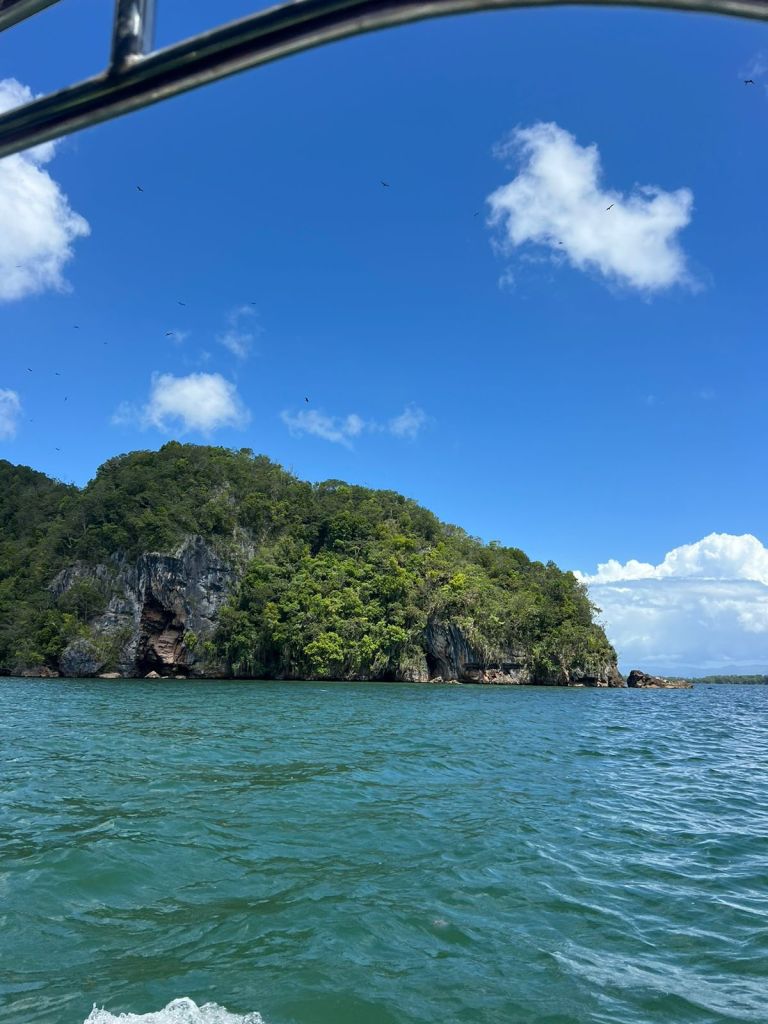
Main Highlight: Los Haitises National Park
A breathtaking coastal park on the Dominican Republic’s northeast coast, Los Haitises is known for its dramatic limestone karst formations, mangrove forests, and ancient Taino cave art. Visitors can explore by boat from Sabana de la Mar.
Weather Dominican Republic June
- Temps: 89–94°F (32–35°C)
- Rain: Heavy showers, start of hurricane season
- Humidity: Very high
Pros:
- Off-season = budget travel opportunities
- Summer vibes everywhere
Cons:
- Unpredictable storms
- Hurricane risk increases
What’s in Season
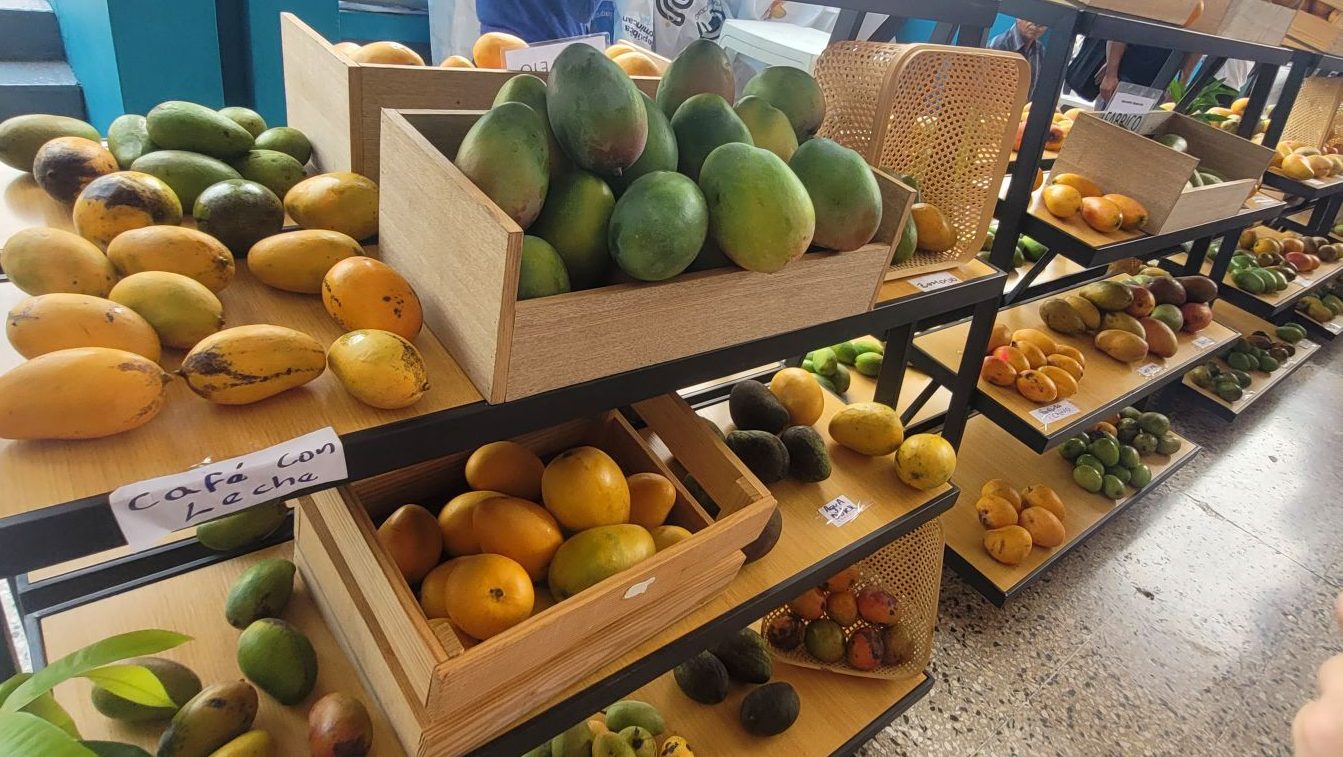
Main Highlight: Mango Festival
The Expo Mango Festival in Baní is usually held in June, celebrating the mango harvest with a variety of activities. The festival features tastings, cooking demonstrations, and showcases approximately 300 varieties of mangoes. It’s a vibrant event that highlights the significance of mango cultivation in the region.
Weather Dominican Republic July

- Temps: 90–95°F (32–35°C)
- Rain: Strong storms possible
- Humidity: Extreme
Pros:
- Summer festivals and nightlife
- Beaches less crowded than winter
Cons:
- Overwhelming heat
- Occasional flooding
What’s in Season
Main Highlight: Punta Cana
As the Dominican Republic’s most visited destination, Punta Cana is famous for its stretch of pristine beaches, turquoise waters, and all-inclusive resorts. While it’s popular year-round, the off-season (summer months) can be a great time to visit if you’re looking to score lower prices and fewer crowds. Beyond lounging on the sand, Punta Cana offers activities like snorkeling, catamaran trips, zip-lining, and exploring nearby natural parks. It’s perfect for travelers who want a mix of relaxation, adventure, and convenience, all in one of the country’s most developed tourist hubs
Weather Dominican Republic August

- Temps: 91–96°F (33–36°C)
- Rain: Peak hurricane season
- Humidity: Sweltering
Pros:
- Authentic, non-touristy vibe
- Local cultural events
Cons:
- Very hot, very humid
- Hurricane activity possible
What’s in Season
Main Highlight: Waterfalls
Cool off from the heat in the Dominican Republic’s lush interior by chasing waterfalls and swimming in crystal-clear rivers. The dramatic Salto El Limón in Samaná plunges nearly 130 feet into a turquoise pool and is a must-see. Other favorites include 27 Charcos de Damajagua near Puerto Plata, where you can slide and jump through a series of natural cascades, Salto de Jimenoa near Jarabacoa for a mountain escape, and Aguas Blancas in Constanza, one of the Caribbean’s highest waterfalls, surrounded by cool pine-forested valleys. Many of these spots also connect to refreshing rivers, perfect for a mid-day dip after a hot hike.
Weather Dominican Republic September
- Temps: 90–94°F (32–34°C)
- Rain: One of the rainiest months
- Humidity: Very high
Pros:
- Cheapest travel prices of the year
- Quiet beaches
Cons:
- Hurricane risk is highest
- Flooding in low-lying areas
What’s in Season:
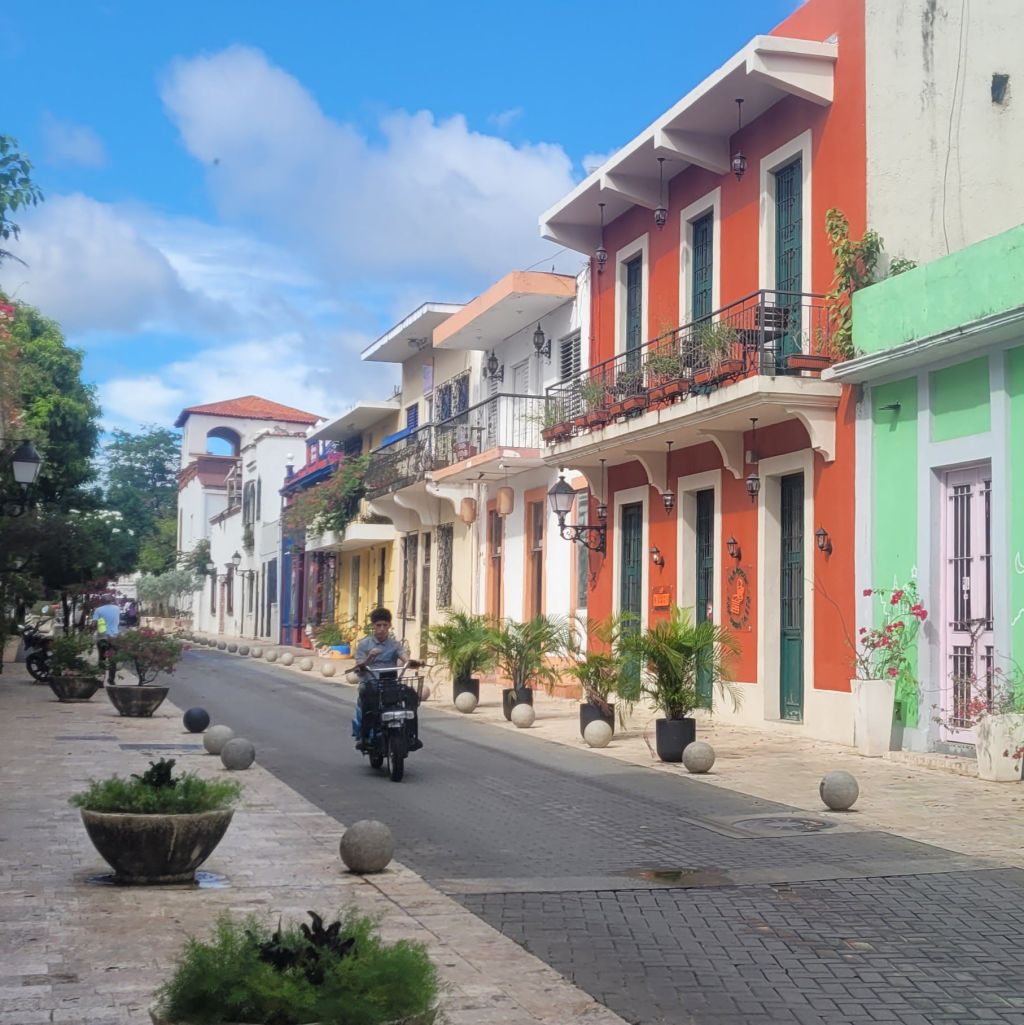
Main Highlight: Zona Colonial
Wander the cobblestone streets of the Zona Colonial, a UNESCO World Heritage site filled with colorful Spanish-era architecture, cafés, and plazas. If the tropical heat becomes too much or it starts to rain, simply go inside one of the city’s many museums—explore Dominican art, learn the story of chocolate, admire the island’s rare blue gemstone at the Larimar Museum, or dive into history at the Museo de las Casas Reales, which showcases the colonial past of the Caribbean’s oldest European city.
Weather Dominican Republic October
- Temps: 89–93°F (31–34°C)
- Rain: Still rainy, but hurricanes tapering
- Humidity: High
Pros:
- Off-season deals
- Still lush from rain
Cons:
- Muddy roads, flooding possible
- Occasional tropical storms
What’s In Season
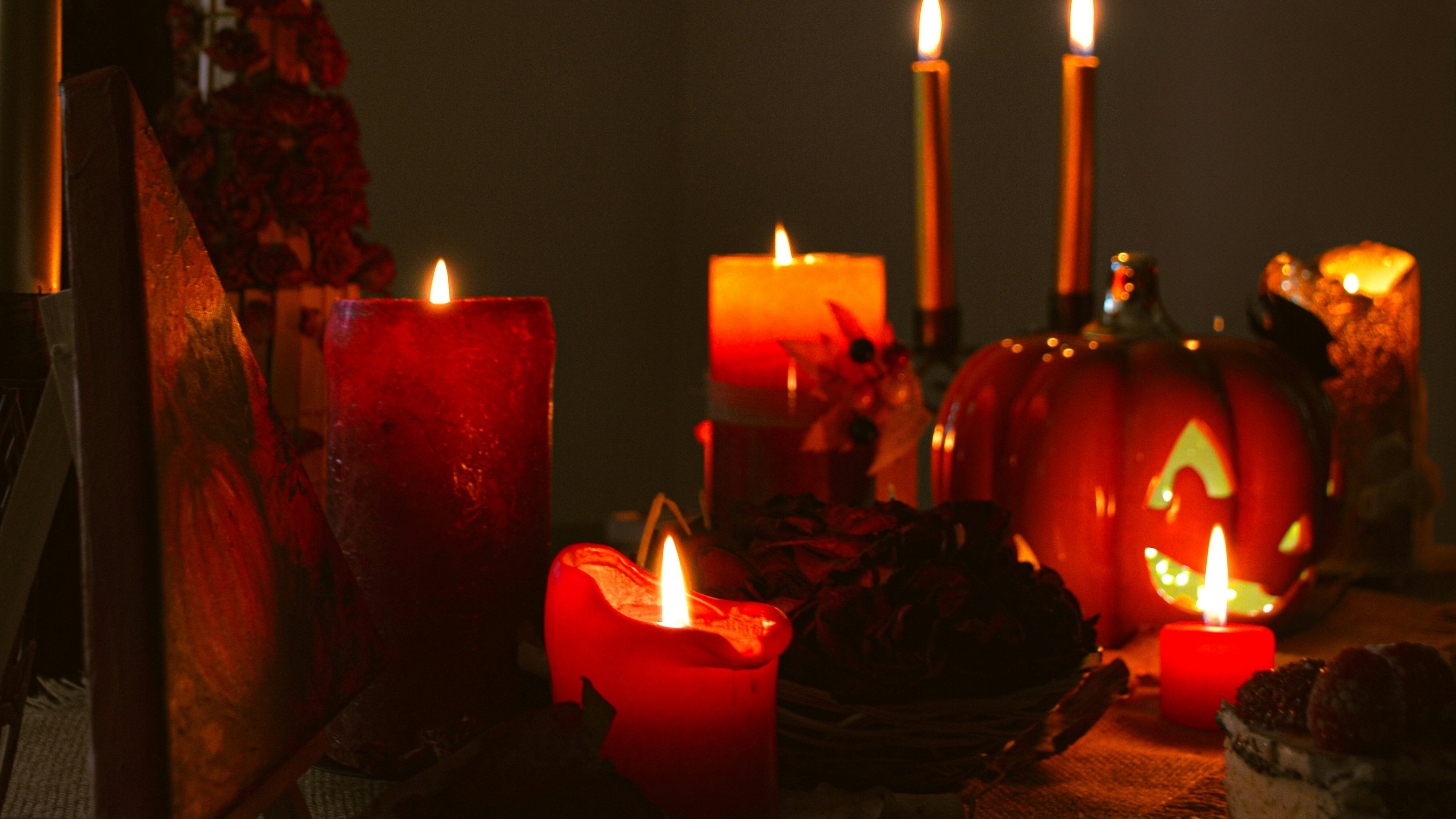
Main Highlight: Halloween
Halloween in the Dominican Republic has become increasingly popular, especially in urban areas like Santo Domingo, Punta Cana, and Santiago. Kids and adults alike dress up in costumes, go trick-or-treating in neighborhoods, and attend themed parties at schools, clubs, and hotels. Many towns also host parades, costume contests, and cultural events that mix traditional Halloween fun with local flair. While not as widespread as in the U.S., it’s a growing celebration that offers a fun and festive way to experience Dominican culture during late October.
Weather Dominican Republic November
- Temps: 86–90°F (30–32°C)
- Rain: Decreasing, still humid
- Humidity: Moderate
Pros:
- Transition to dry season
- Beautiful green landscapes
Cons:
- Rain not fully gone
- Can be unpredictable
What’s in Season
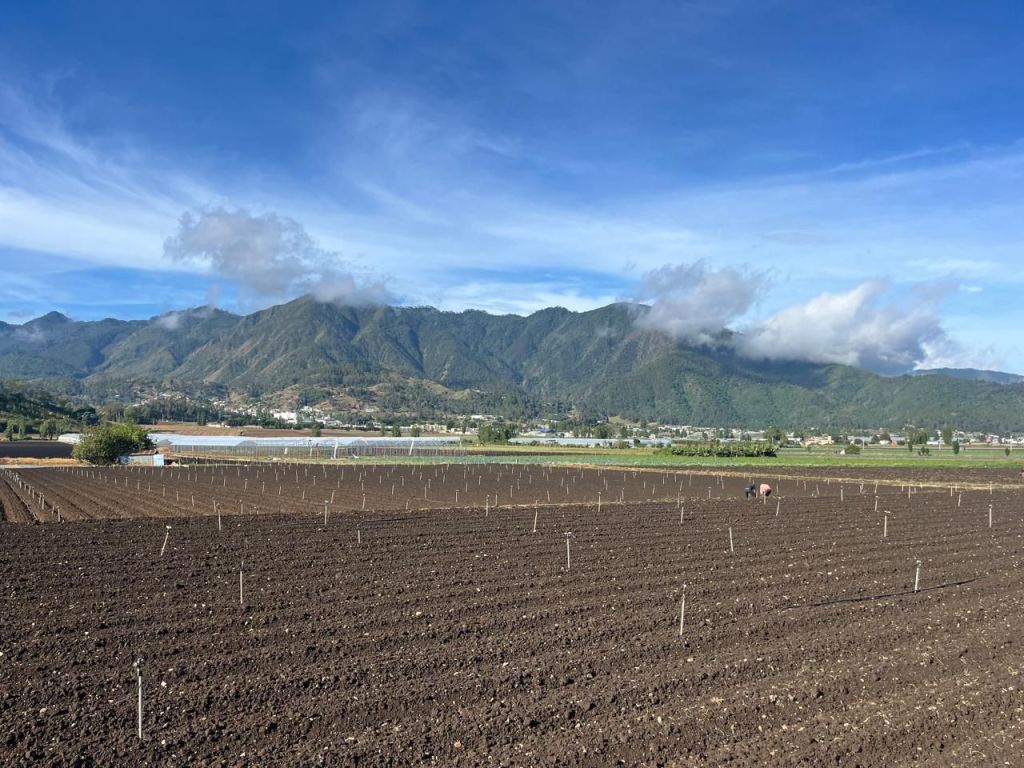
Main Highlight: Strawberry Picking
Strawberries in Constanza are typically harvested from November to April, thanks to the region’s cool mountain climate, which is ideal for strawberry cultivation. Visitors during these months can enjoy fresh, juicy strawberries and even participate in farm tours to learn about the cultivation process, pick their own strawberries, and try strawberry flavored treats.
Weather Dominican Republic December

- Temps: 84–88°F (29–31°C)
- Rain: Dry season returns
- Humidity: Lower, more comfortable
Pros:
- Best beach weather
- Holiday celebrations
Cons:
- Tourist high season = expensive resorts
- Crowds everywhere
What’s in Season
Main Highlight: Hike Pico Duarte
Hike Pico Duarte, the highest peak in the Caribbean. The multi-day trek takes you through pine forests, cloud-shrouded valleys, and breathtaking mountain vistas, rewarding you with a sunrise view above the island’s clouds. It’s best to hike during the dry season when trails are less muddy, streams are easier to cross, and the weather is generally cooler and more comfortable for multi-day treks.
Also in Season:
Christmas festivals
The Dominican Republic comes alive during Christmas, with towns and cities lighting up in a colorful celebration of music, food, and tradition. Expect street parades, live music, and nativity scenes, along with festive foods like pasteles en hoja, turrón, and roast pork. Local communities often hold cultural events, dances, and fireworks, making it a vibrant time to experience Dominican holiday spirit. From Santo Domingo to smaller towns, Christmas here blends family traditions, religious observances, and lively street celebrations that are unforgettable for visitors.When Is the Best Time to Visit the Dominican Republic?
If you’re looking for sunny skies and low rain, the dry season (December–April) is best—especially January to March. But it’s also the most expensive and busiest time.
If you prefer budget travel, fewer crowds, and lush green scenery, the rainy season (May–November) has its perks. Just keep hurricane season and extreme heat in mind, especially August–September.
My Opinion: The Dominican Republic is beautiful year-round and always warm. When to visit really depends on your tolerance for heat and humidity. Personally, I find the summer heat intense—especially if you’re inland or anywhere without reliable electricity. Resorts like Punta Cana or central Santo Domingo stay comfortable, but if you’re traveling off the beaten path, expect occasional power outages and the possibility of being without a fan or AC. I prefer the weather during December through March. The temperatures are more manageable, humidity drops, and it lines up nicely with winter and spring break. Plus, there’s plenty of seasonal fun packed into those months. If it fits your budget, that’s the best time to go.


 Wandering Morena
Leave a comment