

I love to travel. I want to see places I’ve never seen, eat food I’ve never tasted, and meet people whose lives are completely different from mine. There’s something magical about stepping into the unknown — and having the freedom to chase your own desires.
But I was shocked by how many people would ask, “How do you afford to travel when you’re so young?”
The truth is, most people assume young travelers either come from rich families or rack up a ton of debt. While that might be true for some, it doesn’t have to be your story. Traveling can actually be cheaper than living in the U.S. — no joke.
The key? You have to know how to do it right. Traveling and vacationing are two completely different things. Vacationing is expensive. Traveling — especially long-term — is much cheaper than people think.
I’ve been solo traveling for a few years now and today I’m sharing my top tips for traveling on a small budget.
Housing
Housing is the easiest (and most fun!) part of solo travel — if you’re open-minded and flexible.
1. Volunteering/ Work Exchange
This is my favorite option when I’m staying somewhere for more than a few days. Work exchanges let you trade a few hours of work for a free place to stay — and sometimes even free meals.
I use Worldpackers, which has options all over the world. You can volunteer in hostels, farms, eco-villages, schools — you name it. The platform is legit, with verified hosts and tons of reviews.
- $49/year for a solo plan (worth it after just a couple nights)
- Choose your location, type of work, and length of stay
- Fill out your profile, apply to hosts, and start traveling for free
I’ve also heard good things about Workaway, but Worldpackers is my go-to. Work exchanges are the most budget-friendly option for long-term travel—but you can even stay for just a few days!

2. Hostels
If you’ve never stayed in a hostel, don’t be scared off by the horror movie reputation! In reality, hostels are cheap, social, and surprisingly comfy.
Most Latin American hostels cost between $8–$25 per night, depending on the country and city. Many offer private rooms or women-only dorms. But if you’re on a tight budget, dorms with 6–12 people are your best bet.
Although the rooms are typically small, they tend to have big, open lounge spaces to talk and socialize. Many also come with shared kitchens, which is a huge bonus—you can cook your own meals instead of eating out every day like you’d have to at a hotel. This saves a lot of money over time and makes it easier to stick to your budget while still enjoying your trip.
Why I love hostels:
- Instant travel community — especially great for solo travelers
- Chill common areas to meet people and hang out
- Kitchens to cook your own food
- Some offer long-term discounted rates
Tip: Use Hostelworld or Booking.com to find and compare hostels, and then try booking directly on the hostel’s website for the best rate. And always read reviews first.

Flights
1. Skyscanner
Skyscanner is perfect if you’re flexible with your destination and dates. You can search “Everywhere” to find the cheapest countries to fly to in a certain month — or even the entire year.
I usually:
- Enter my departure city (and check nearby airports)
- Choose “Whole month” or “Cheapest month”
- Let the map show me the best deals in the world 🌎
Skyscanner is amazing for comparing millions of flights across different airlines and travel sites. If you’re wide open to destinations, it’s a goldmine. Once you enter your airport and travel month, it shows you a ranked list of countries sorted by cheapest price, and you can even drill down into individual cities within those countries.
💡 Tip: It’s less useful if you already have fixed dates and a specific location, but still helpful for seeing which airline has the cheapest fare.


3. Hopper
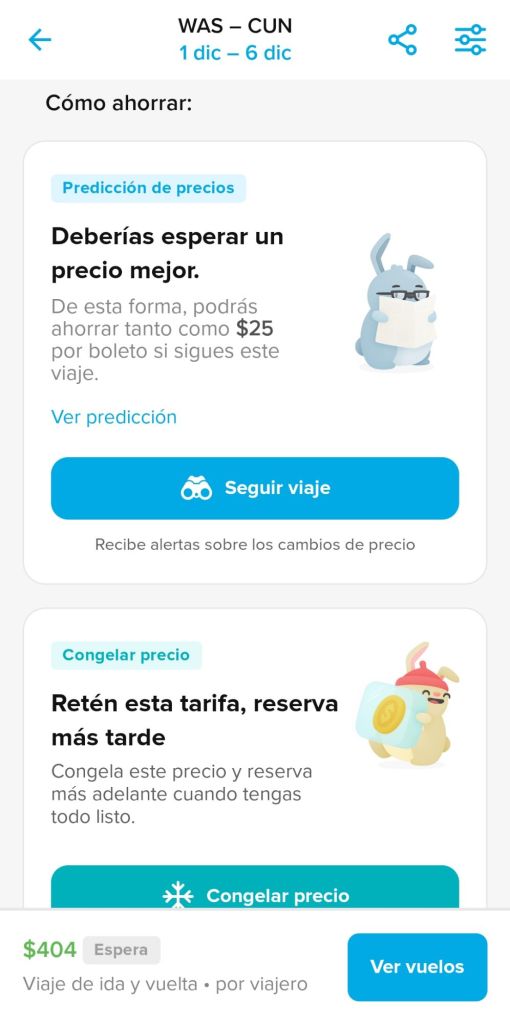
Hopper is a phone app that tells you when to book your flight to get the best price. It’s especially helpful after using Skyscanner to narrow down where and when you want to go.
You can:
- Track specific dates or routes
- Get alerts when prices drop
- Freeze prices for a fee if you can’t book right away
It shows you a color-coded calendar (green = cheapest) and literally tells you whether to buy now or wait. If the prices are good but your wallet says, “I can’t right now,” you can lock in a price with a small fee and come back later to purchase. It’s like layaway for flights.

3. Discount Airlines + Memberships
My favorite budget airline: Frontier. Here’s why:
- Constant promo codes and deals
- A “Discount Den” membership ($59/year) for even cheaper flights
- Points system + kids under 14 fly free with a parent (in some cases)
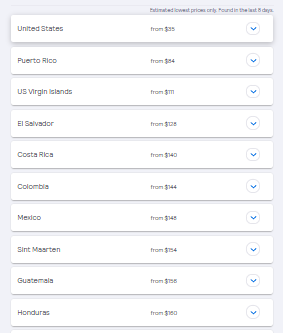
Frontier also has a deals page where you can enter your departure airport and instantly see all the best promos available — just know that the dates are often not flexible. Still, I’ve flown for as low as $20 one way using their deals.
And if you fly frequently, the Discount Den pays for itself fast. You can also earn points faster with their credit card— but only put on what you can pay off. Credit cards can be a deadly trap if not managed carefully.
✈️ Note: Frontier only serves destinations in North and Central America. If you’re looking to fly to Europe or Asia, try a different airline.
I’ve also seen they have an all-you-can-fly program. I haven’t tried it yet, but I probably will in the future once I have more flexibility.
Other budget airline to consider:
- Spirit – Their Saver$ Club is $69.95/year and gives access to exclusive deals. They also offer a credit card for free flights.
If you’re only traveling a few times a year, then you don’t need to pay for an airline club, but if you want to do a lot of frequent trips it may be worth it.
🎯 Tip: Pick 1–2 airlines, sign up for their loyalty programs and email alerts, and stick with them. You’ll rack up points, get early access to deals, and start flying for free faster than you think.

💰 Budgeting Tips
Before you book anything, figure out your budget. If you’re traveling long term, you’ll want to track daily expenses so you don’t blow through your money too fast.
- Use cash when possible — it’s easier to stay conscious of spending.
- Choose cheaper countries like Mexico, Guatemala, Colombia, Thailand, or the Balkans.
- Travel slow – the longer you stay in one place, the more you save.
- Avoid ATM fees by withdrawing larger amounts at once or use a travel-friendly card that waives international purchase and atm withdrawal fees.
🍽️ Pro tip: Street food is your friend. It’s often cheap, delicious, and an authentic way to experience local culture.

🧠 Bonus Advice for Young Travelers
If you’re just getting started in life and dream of traveling, here’s a tip: Stay with your parents or guardians for a couple of months (if that’s an option), and focus on saving money. Pick up a part-time job, take freelance gigs online, or even sell things you don’t use anymore. You’d be surprised how fast it adds up when you’re not paying rent.
Even saving just $2,000–$3,000 can stretch into months of travel if you’re careful with your spending.

So there you have it — some of my best travel tips. Remember, the world is your oyster. If you have a dream, believe in it wholeheartedly and put in the work to make it happen. Happy travels!
If you’re young and looking for something more immersive—think two years of learning, growing, and living abroad—consider the Peace Corps.
👉 Read all about my Peace Corps story here



 Wandering Morena
Leave a comment