

I’ve been living in the Dominican Republic for almost a year now (10 months and counting), and I finally feel like I’ve gotten the hang of things. If you’re curious about how it all started, I wrote about my early training experience in From Arrival to Swearing-In: The Reality of Peace Corps Training and later reflected on the first 10 weeks of service in Sworn In: Reflecting on My First 10 Weeks of Peace Corps.
Youth in Development (YD) is one of the broader Peace Corps sectors. We’re supposed to help children become “civically engaged adults,” but what does that actually mean?
By Peace Corps definition, “The Youth in Development project seeks to empower youth with the knowledge, skills, and experience to assume positive adult roles as healthy, productive, and engaged community members.”
The Three Official Goals of Peace Corps
The overall Peace Corps mission has three goals:
- To help the people of interested countries in meeting their need for trained men and women.
- To help promote a better understanding of Americans on the part of the peoples served.
- To help promote a better understanding of other peoples on the part of all Americans.
Youth Development (YD) Sector Project Objectives
Meanwhile, the YD sector has four specific project objectives:
- Increase the knowledge and skills of youth to improve their health and well-being through health and life skills education.
- Increase youth’s employability skills.
- Increase the skills of youth service providers to effectively implement positive youth development programs.
- Increase the skills of parents to communicate with their children.
Why I Love Working in Youth Development
One of the best things about YD is that you have the freedom to do almost anything you want. You can choose from pre-written manuals (which I love — they’re like cheat-sheet lesson plans), or develop your own initiatives. Some popular options include sports clubs, gardening, and English tutoring.
From Training to Swearing In
After six weeks of PST (Pre-Service Training) and another six weeks of CBT (Community-Based Training), we officially swear in as Peace Corps Volunteers— I share more about the ups and downs of those first few months in From Arrival to Swearing-In and Sworn In, if you’d like a deeper look into what training and swearing-in were really like. But before jumping into work, we spend our first three months of service doing a community diagnostic — talking to as many host-country nationals as possible, including parents, youth, teachers, and community leaders. We ask questions to understand what the community actually needs. Then we present our findings and proposed projects to our supervisors and school.
My School, Schedule, and Daily Life as a PCV
I work at a small school with just 200 students from preschool through 8th grade. I’m there Monday to Friday from 8 a.m. to 4 p.m., with one day off. When I first applied to Peace Corps, I wondered why the commitment had to be two years instead of just one. Now I get it. It’s taken me nearly a full year just to get the hang of the culture, language, and being a PCV. I arrived in August and officially began service in November. Now I have one strong school year ahead before I finish next August, hopefully closing out with a summer full of celebrations and closure.
The Programs I’m Running This School Year
Last school year, I tested out a few programs, and these are the three I’m officially committing to next year:
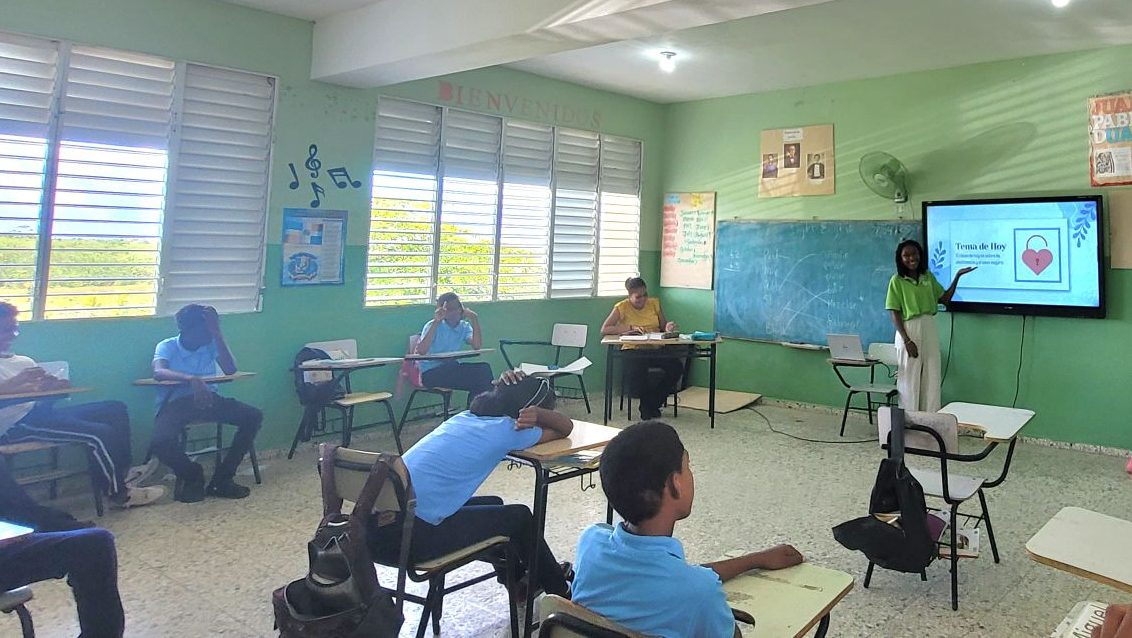
1. Sexual Health Education: “Escojo Mi Vida” (I Choose My Life)
This program is typically taught in high schools, but I work with 8th graders. The curriculum is designed to reduce risky sexual behavior and early pregnancies — a major issue in the DR, where 23% of teenagers become pregnant before age 18. Lessons cover values, self-esteem, abstinence and protection, puberty, STIs including HIV, and gender discrimination. The goal is to equip youth with knowledge to make healthy, informed decisions.
2. Personal Development Program: “Yo Soy Superhéroe” (I Am a Superhero)
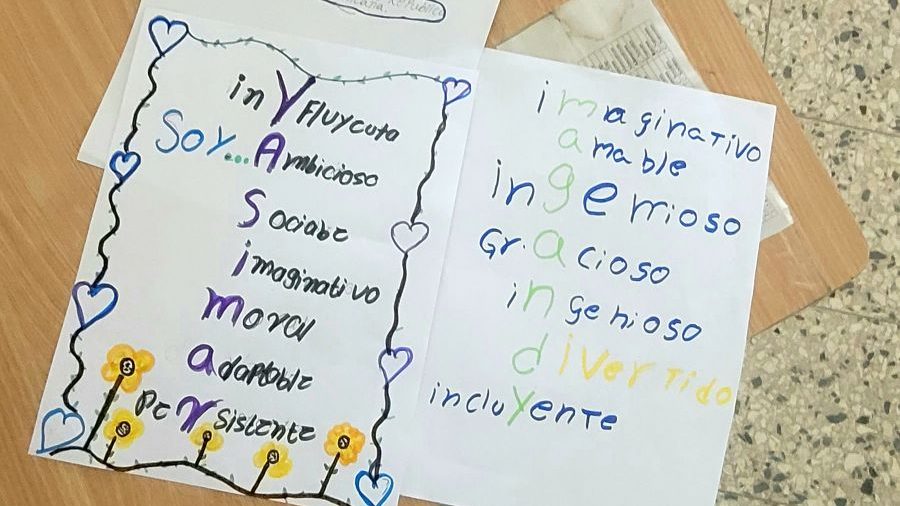
Originally called “Yo Soy Superman,” I renamed it to be gender-neutral. This program focuses on gender equality, self-awareness, non-violent communication, sexual health, leadership, and teamwork. I’ll be visiting one classroom per day in grades 5–7 to lead discussions on topics like self-esteem, communication, and setting future goals.
3. Girls’ Cooking and Self-Esteem Club: “Chicas Brillantes” (Bright Girls)
This club combines the Chicas Brillantes manual with cooking lessons. The program helps girls develop leadership, identity, and confidence, while covering topics like self-worth, beauty standards, personal power, consent, and domestic violence. We’ll meet twice a month. After our lesson, the girls will shop for ingredients, cook together, and clean up — encouraging independence and life skills, and because, well… they love to cook!
Special World Days I Celebrate With My Students
In addition to those three programs, I plan to continue celebrating special world days throughout the school year. Three of my favorite events from last year were:
- St. Patrick’s Day, which I celebrated with the younger students (preschool through second grade). Since one of Peace Corps’ core goals is to promote cultural exchange, it was so fun introducing them to American traditions, sharing the folklore of leprechauns, and making festive green hats together.

- International Volunteer Day: Climate Action, where I gave a presentation and organized a school-wide campus cleanup.


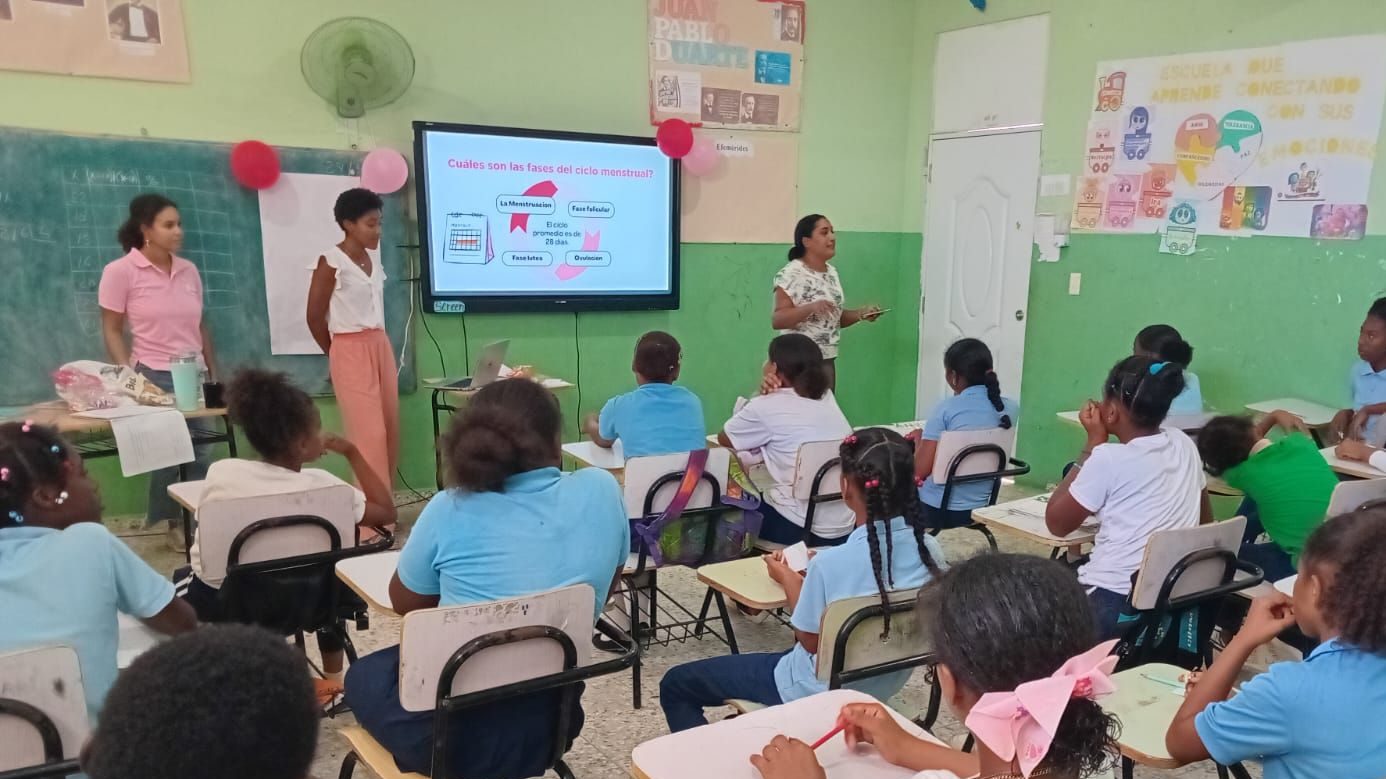
- International Menstrual Hygiene Day, where I led a talk to help destigmatize periods, shared information about menstrual health, and demonstrated how to use different period products.
Looking Ahead to the Next School Year
I’m super excited for the year ahead and can’t wait to see how these programs unfold. I’ll be sharing updates, lessons, and real moments along the way — so if you’re curious about Peace Corps life, working with youth, or just love stories from abroad, stay tuned!


 Wandering Morena
Leave a comment